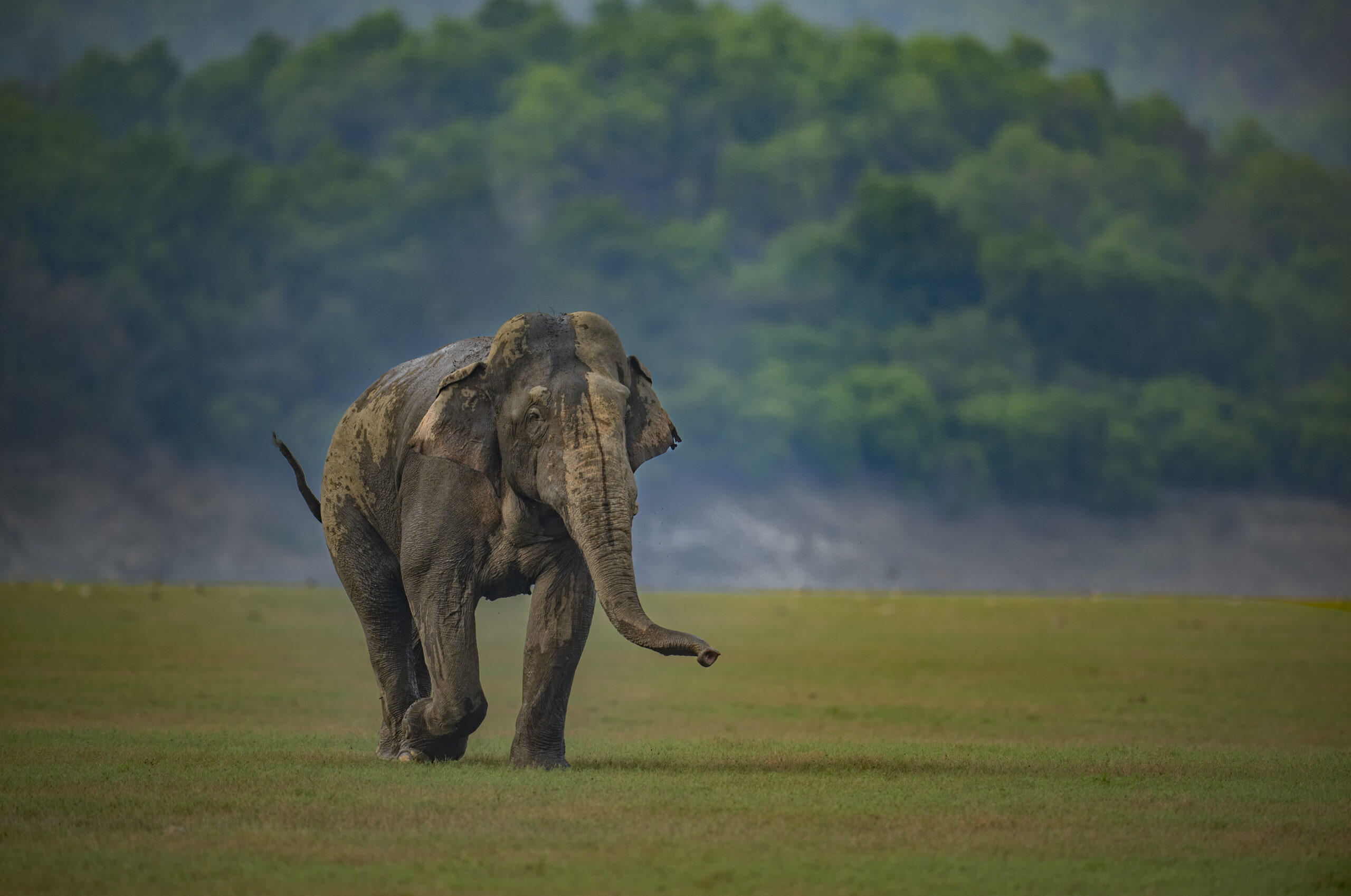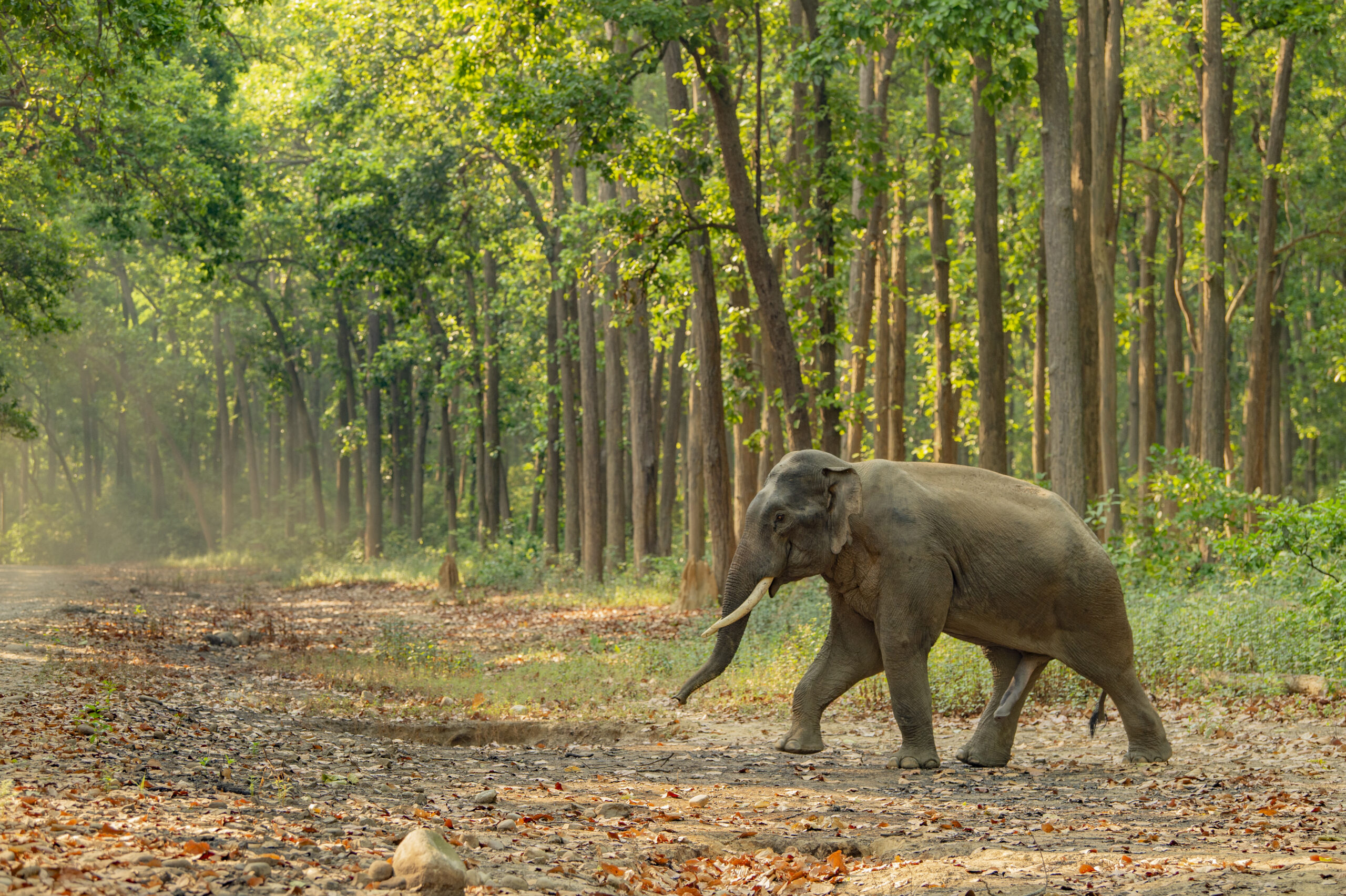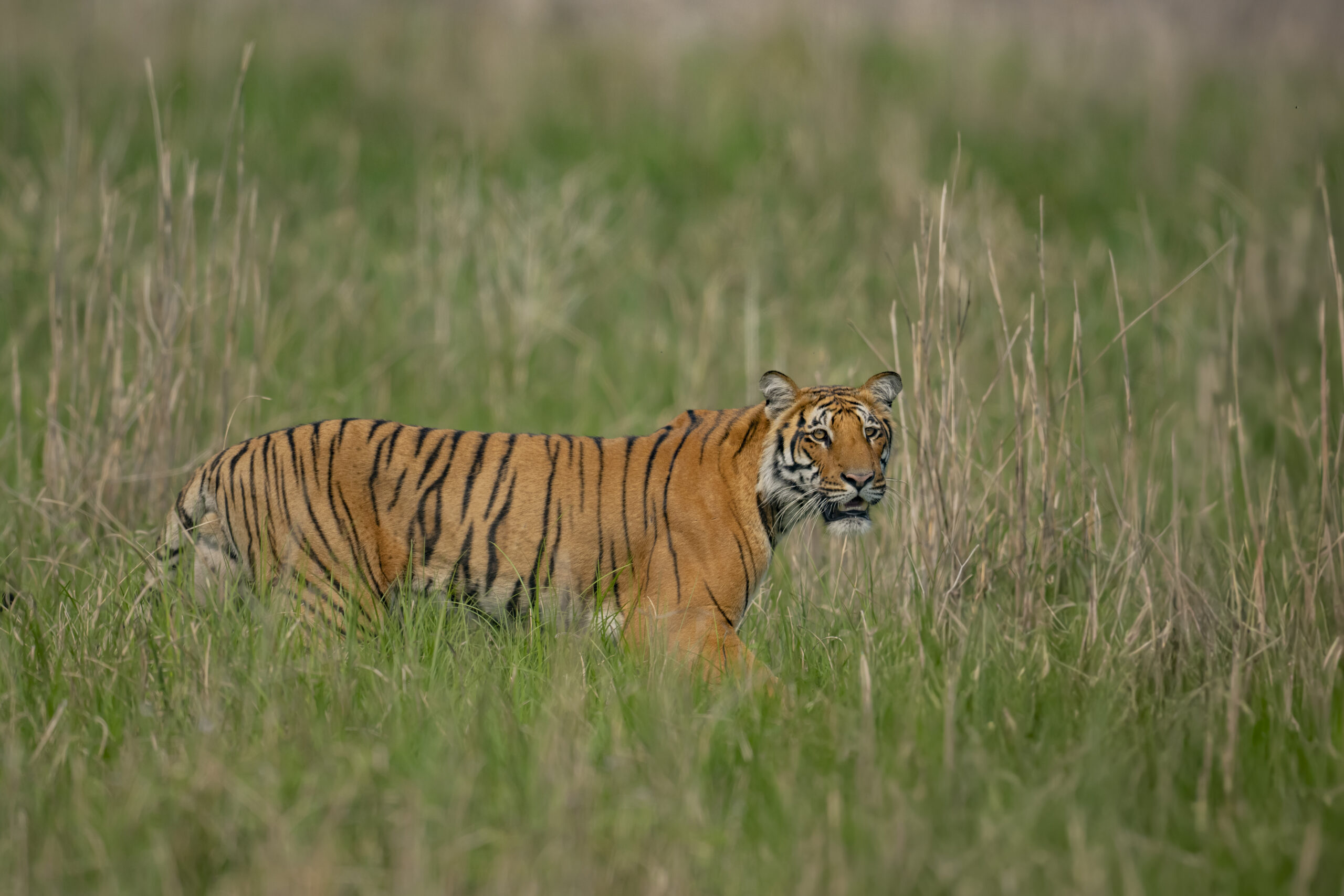
Your Uttarakhand expedition unfolds across a sequence of ecologically distinct landscapes, each adding depth and context to the journey. It begins in Jim Corbett National Park, India’s oldest national park, established in 1936 as Hailey National Park, a landmark in wildlife conservation. Located within the Terai belt, Corbett’s sal forests, grasslands, and river systems support one of North India’s most significant tiger populations, alongside elephants, leopards, gharial-rich rivers, and exceptional birdlife shaped by seasonal flooding and fertile alluvial plains.
The journey continues to Rajaji National Park, a vital elephant corridor linking the Terai with the Himalayan foothills. Its open valleys, riverine forests, and Shivalik slopes form a transitional ecosystem where large mammals move freely, offering strong visibility and insight into wildlife movement at the base of the Himalayas.
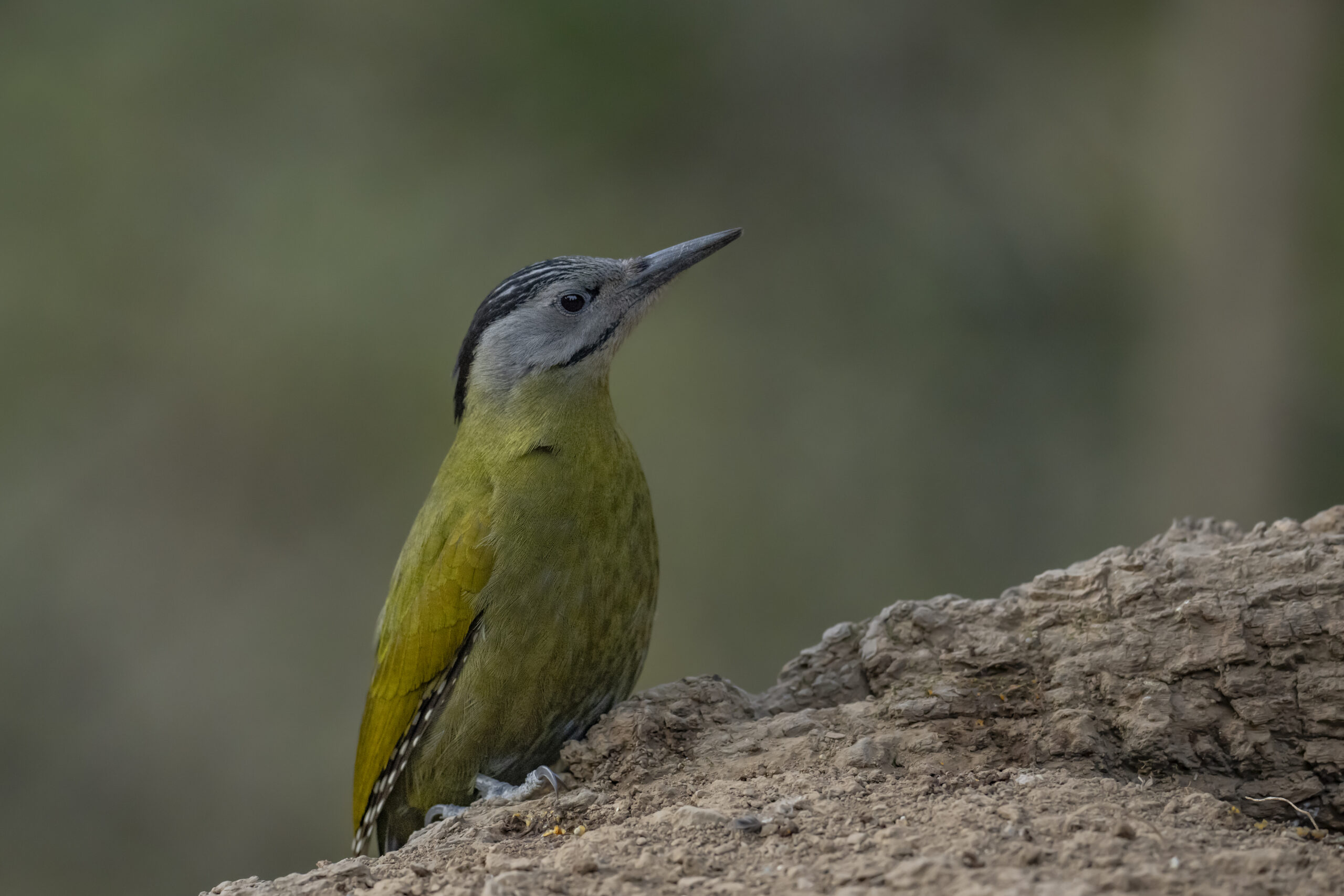
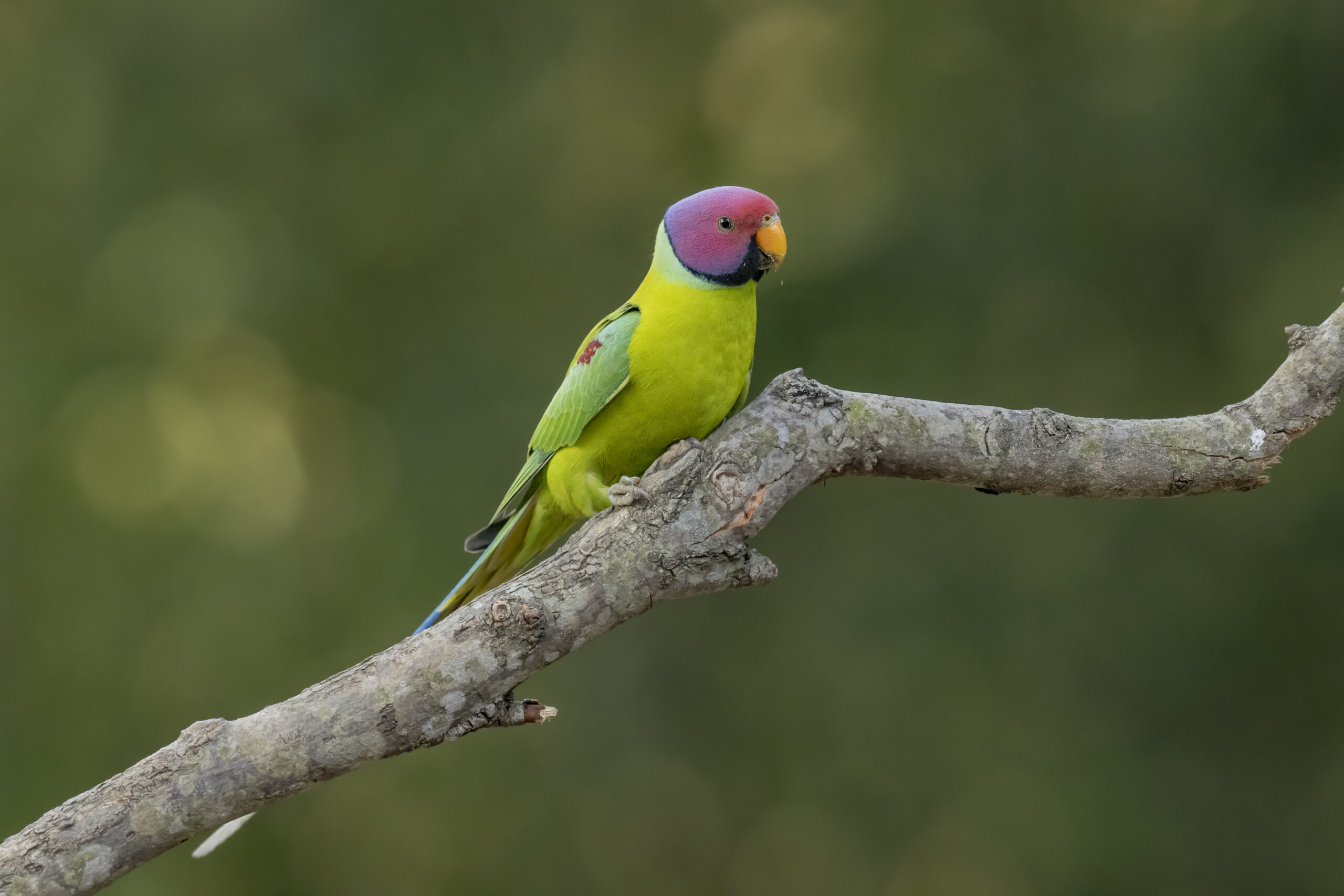
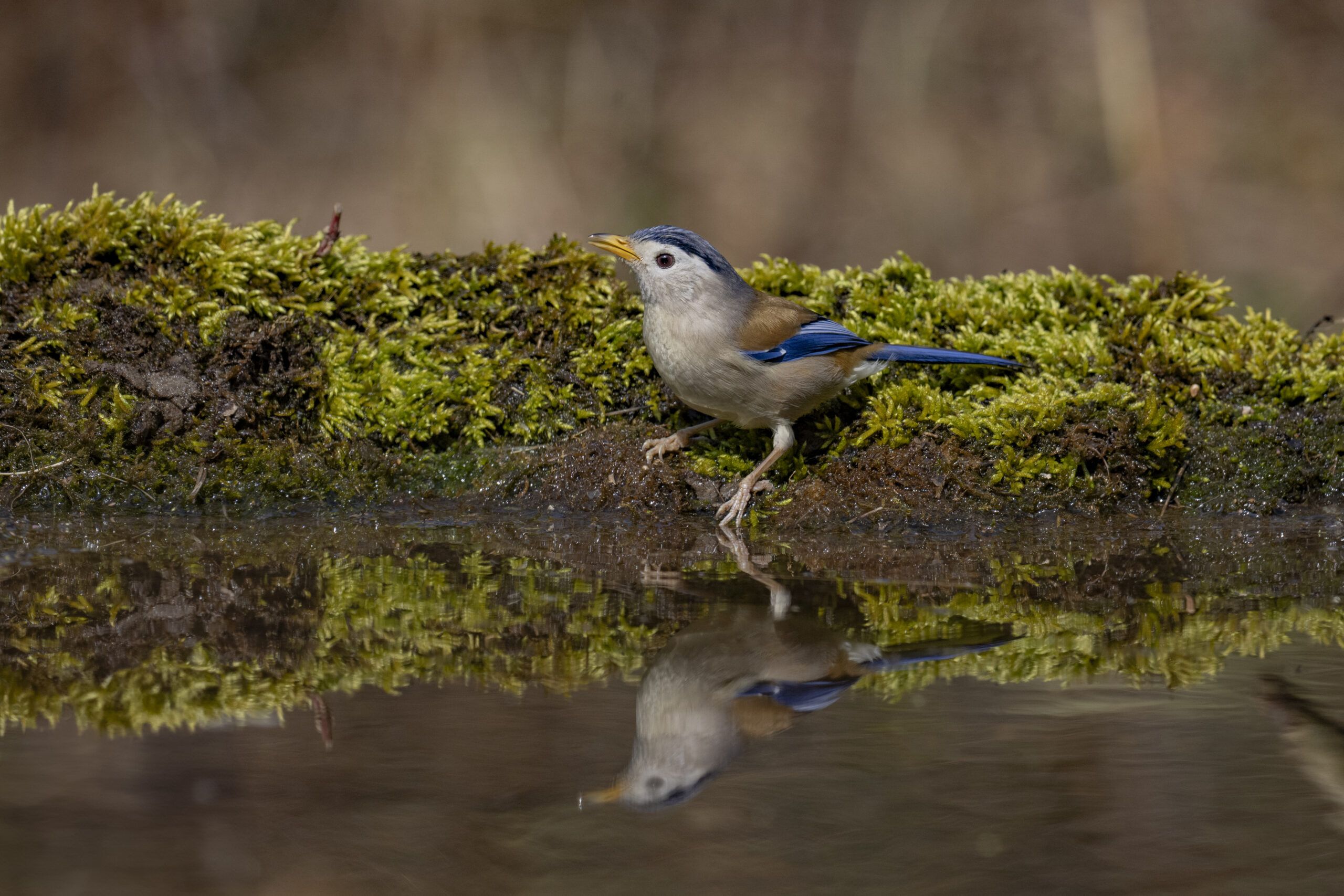
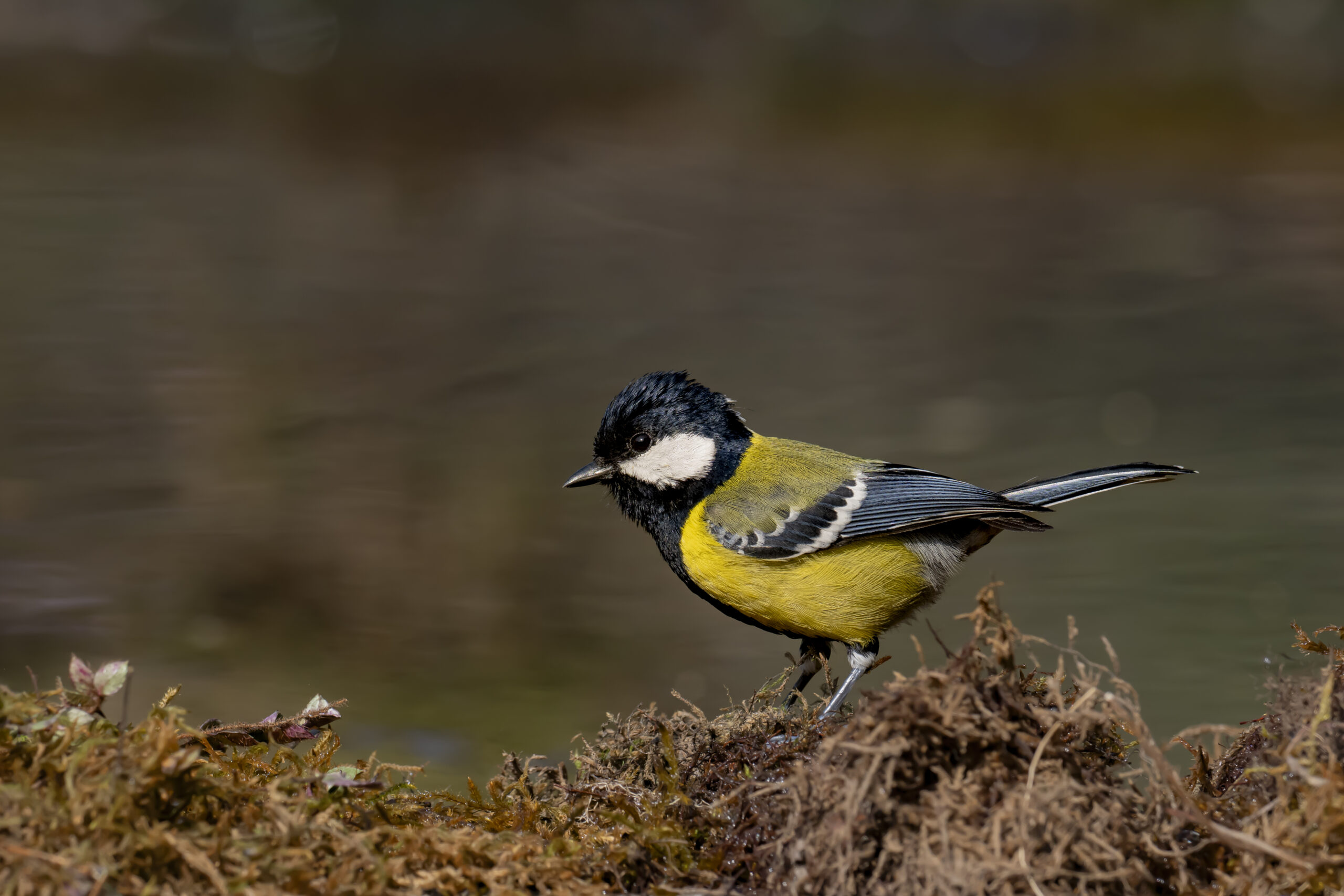
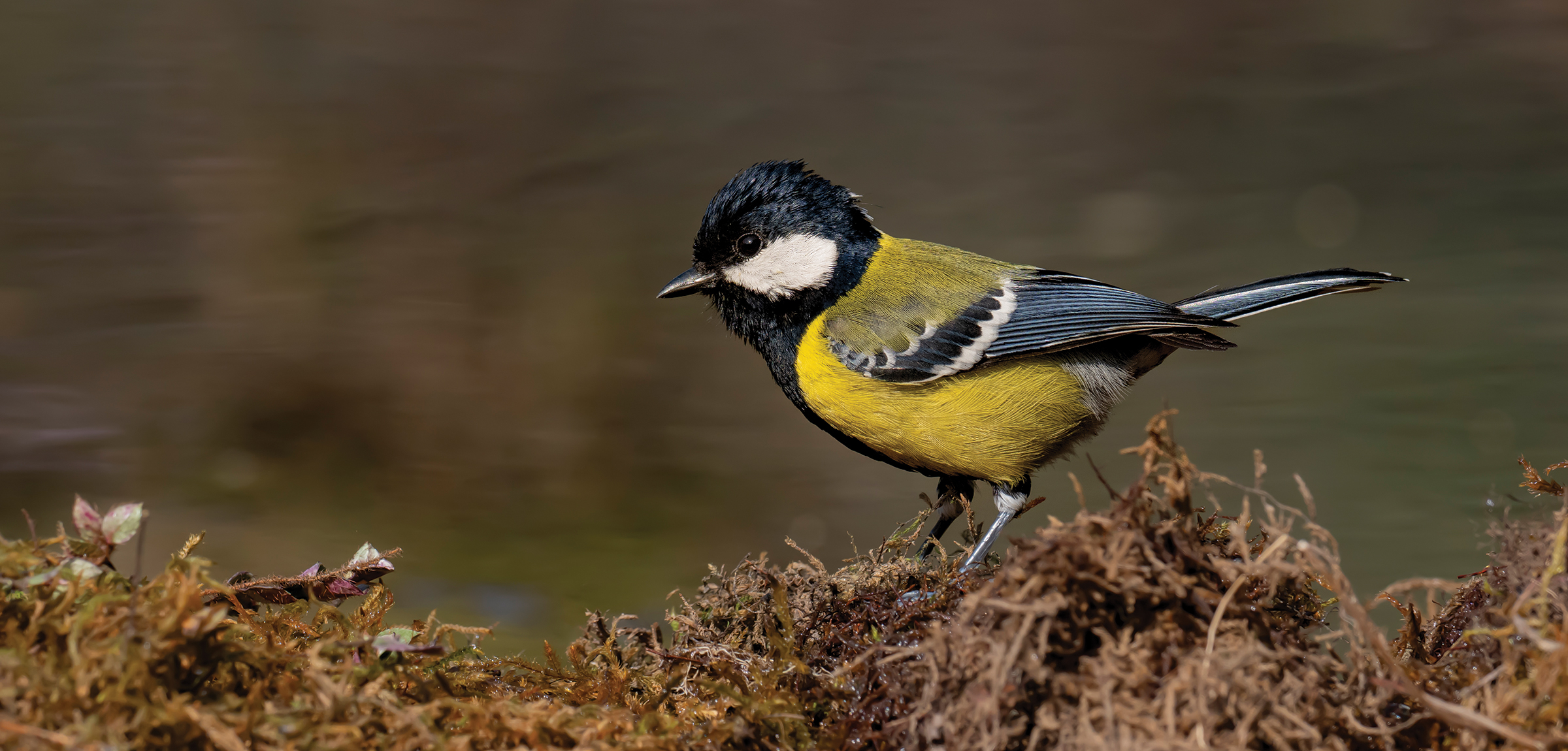
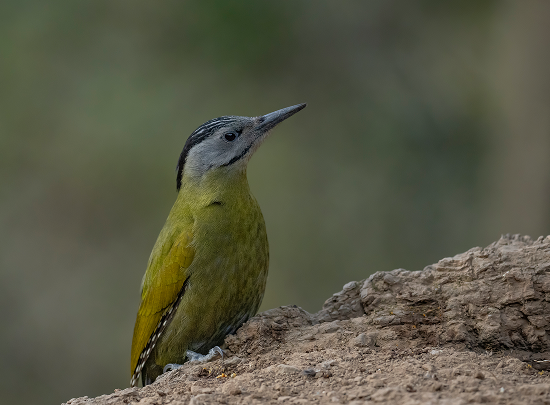
Ascending further, the landscape transforms in Chopta, often called the gateway to the high Himalaya. Located within the Kedarnath Wildlife Sanctuary, it marks a key ecological transition where temperate forests give way to alpine meadows. Oak and rhododendron forests here play an important role in watershed health and support altitude-specific Himalayan birdlife. Nearby Pangot and Sattal add dense forests and interconnected freshwater lakes, creating one of the region’s most productive birding zones.
Together, these landscapes reveal Uttarakhand’s ecological continuum, from early tiger conservation and elephant corridors to high-altitude forests and lake ecosystems, woven into a seamless journey balancing wildlife safaris, mountain exploration, and immersive time in nature.