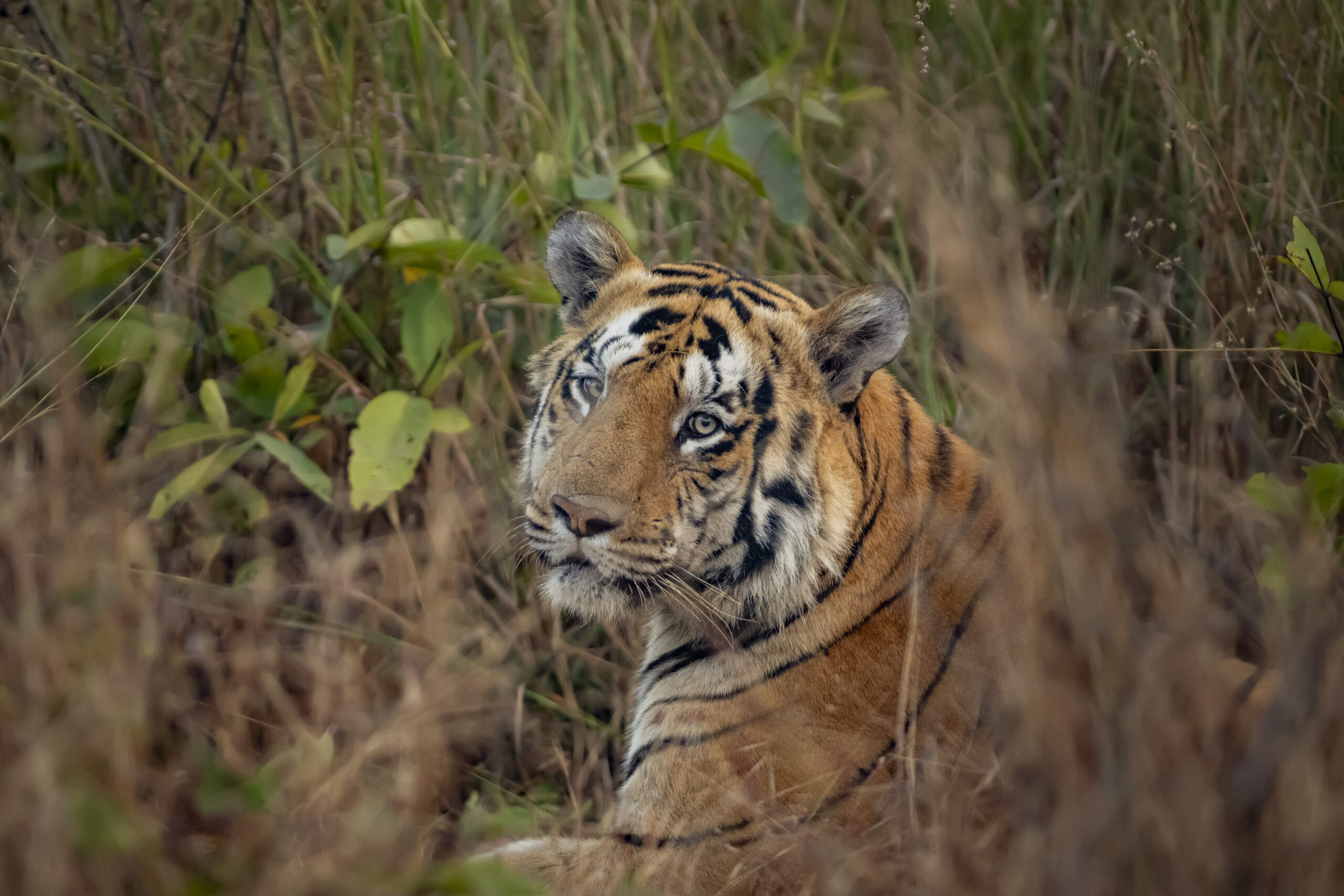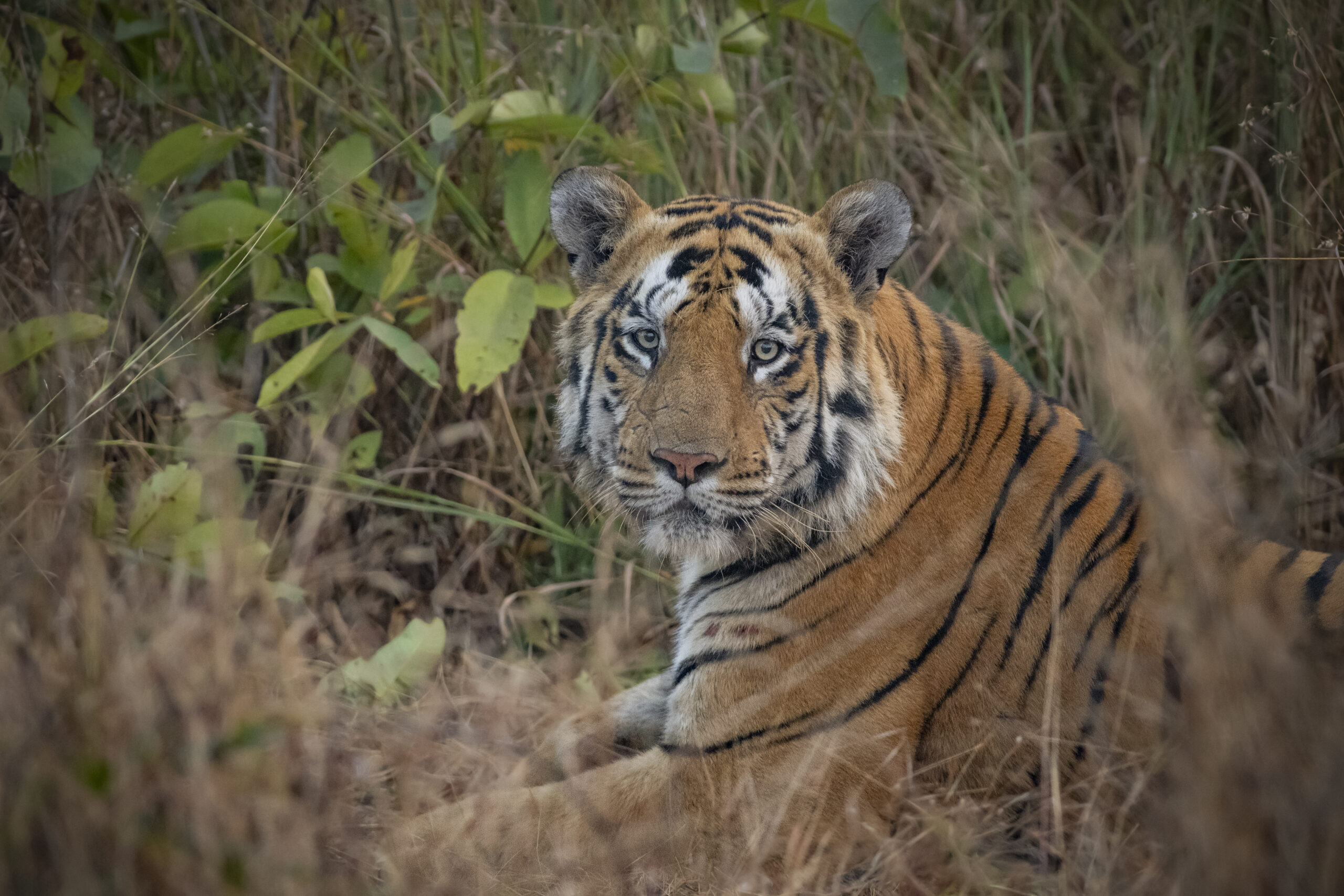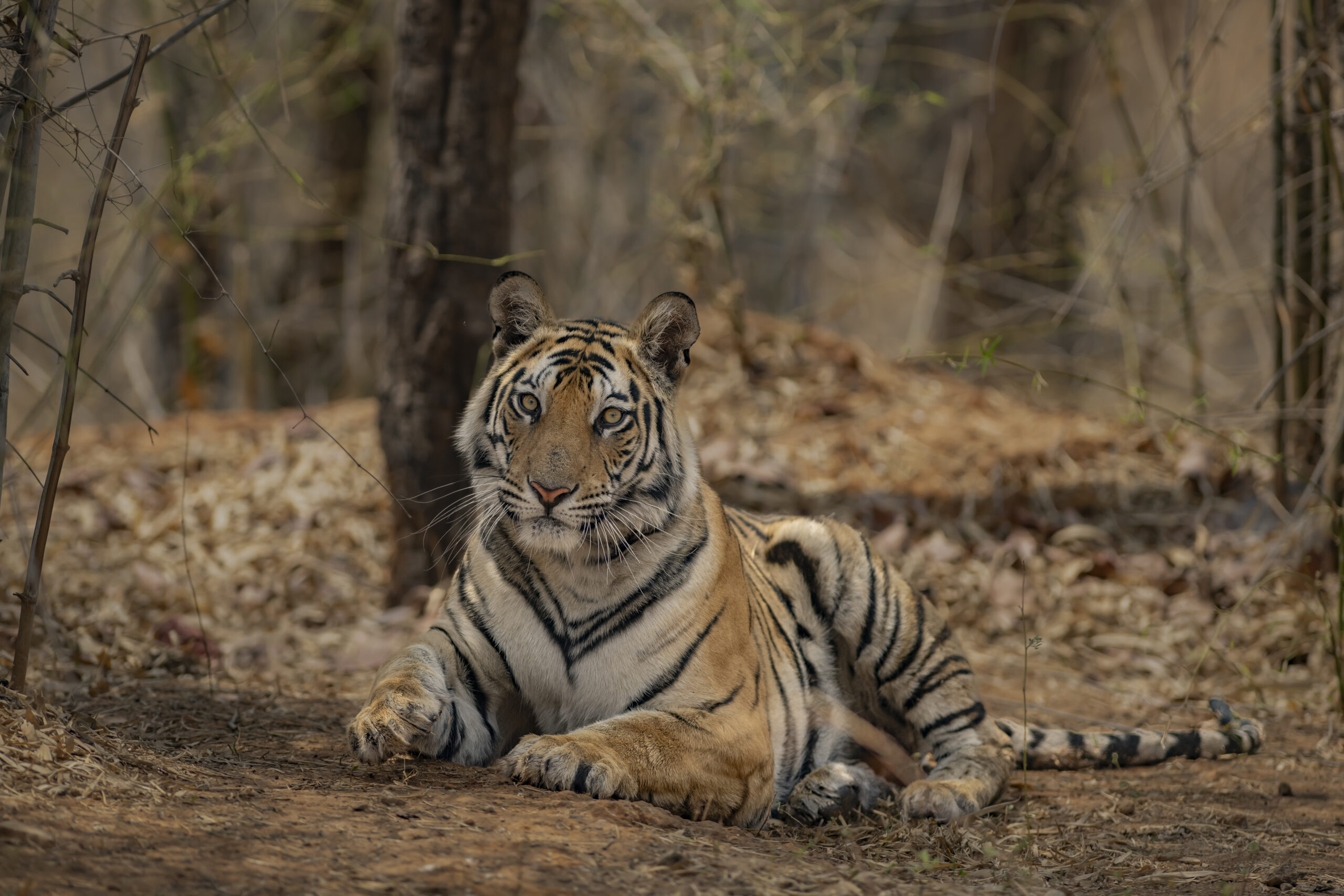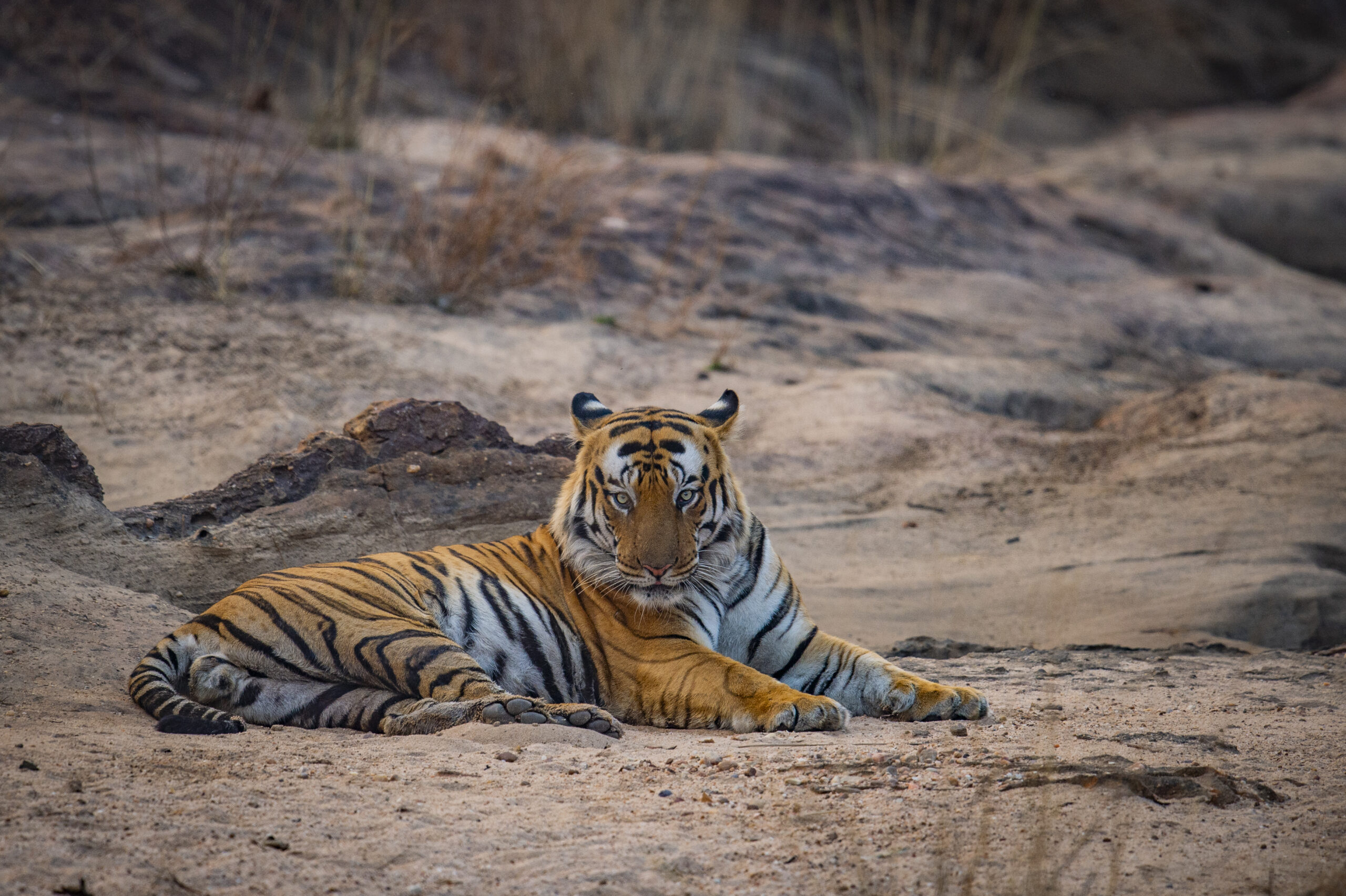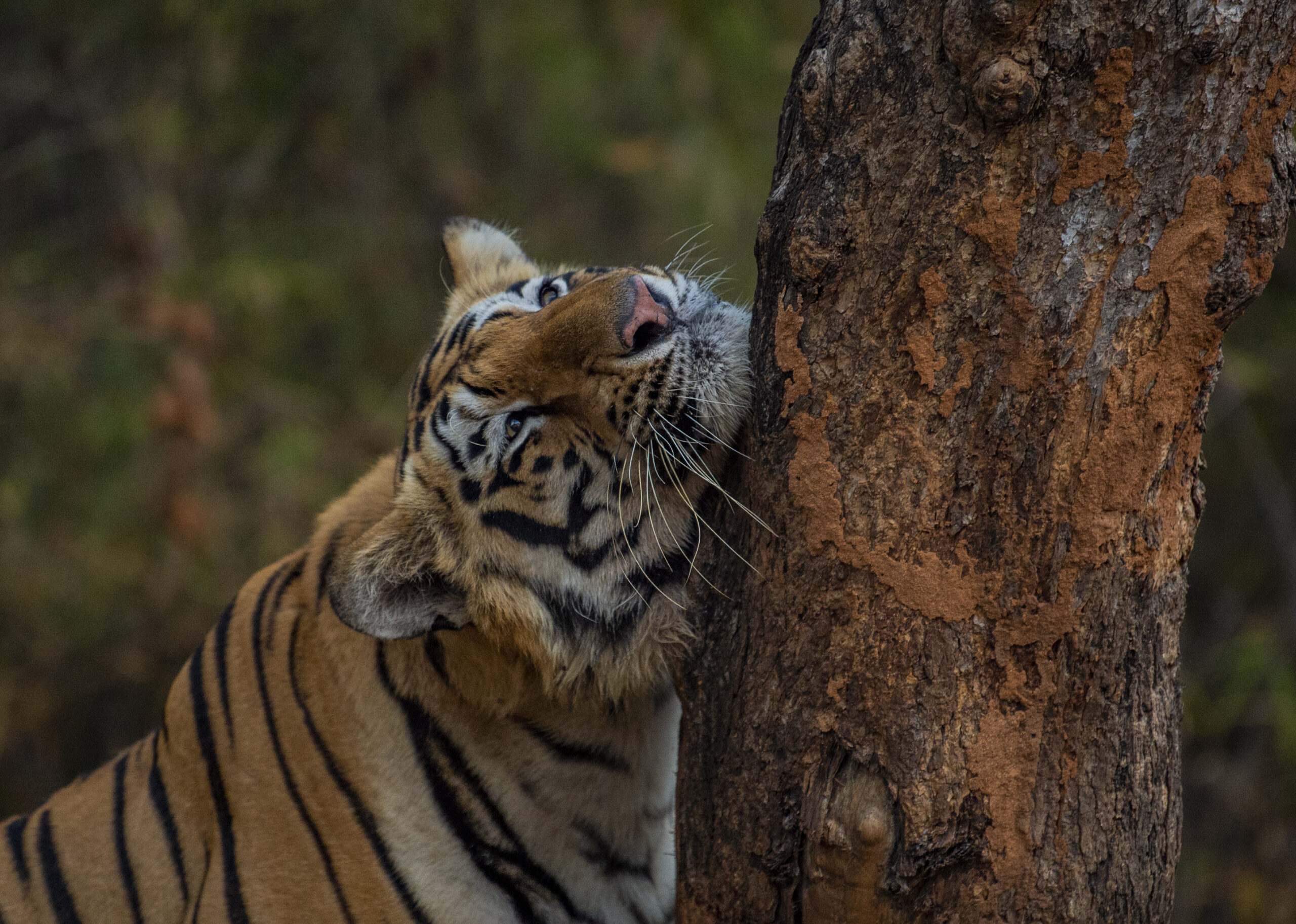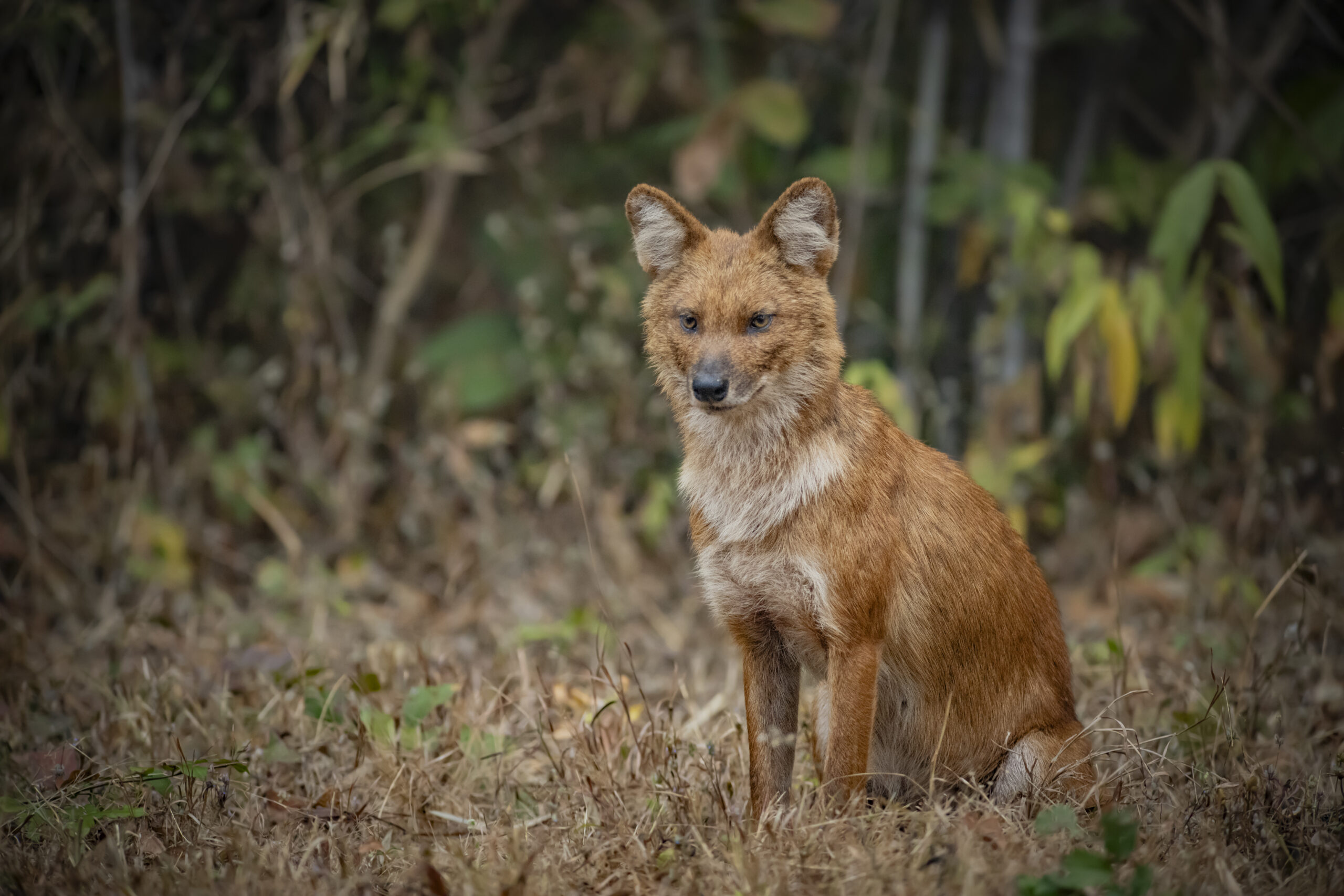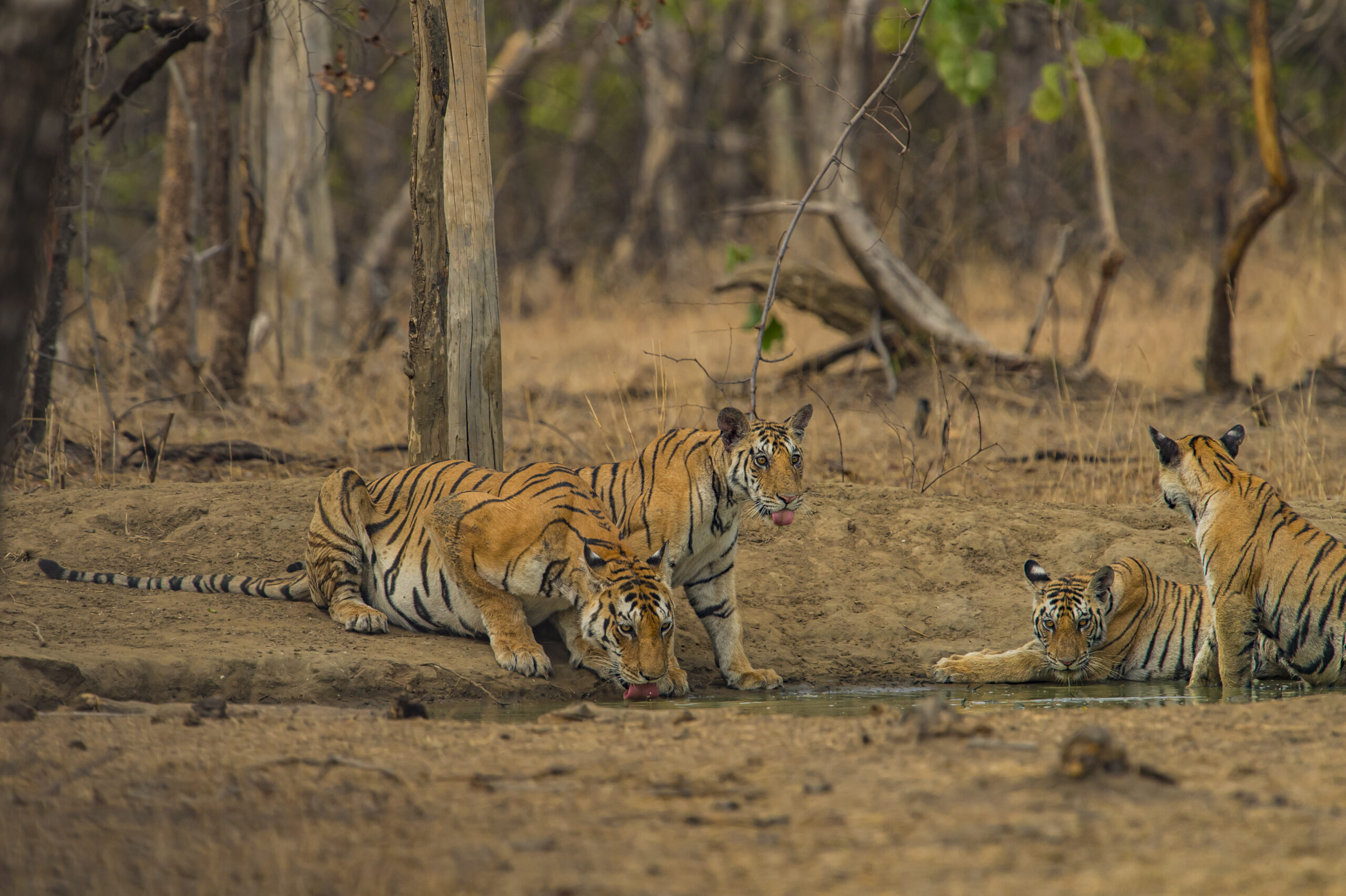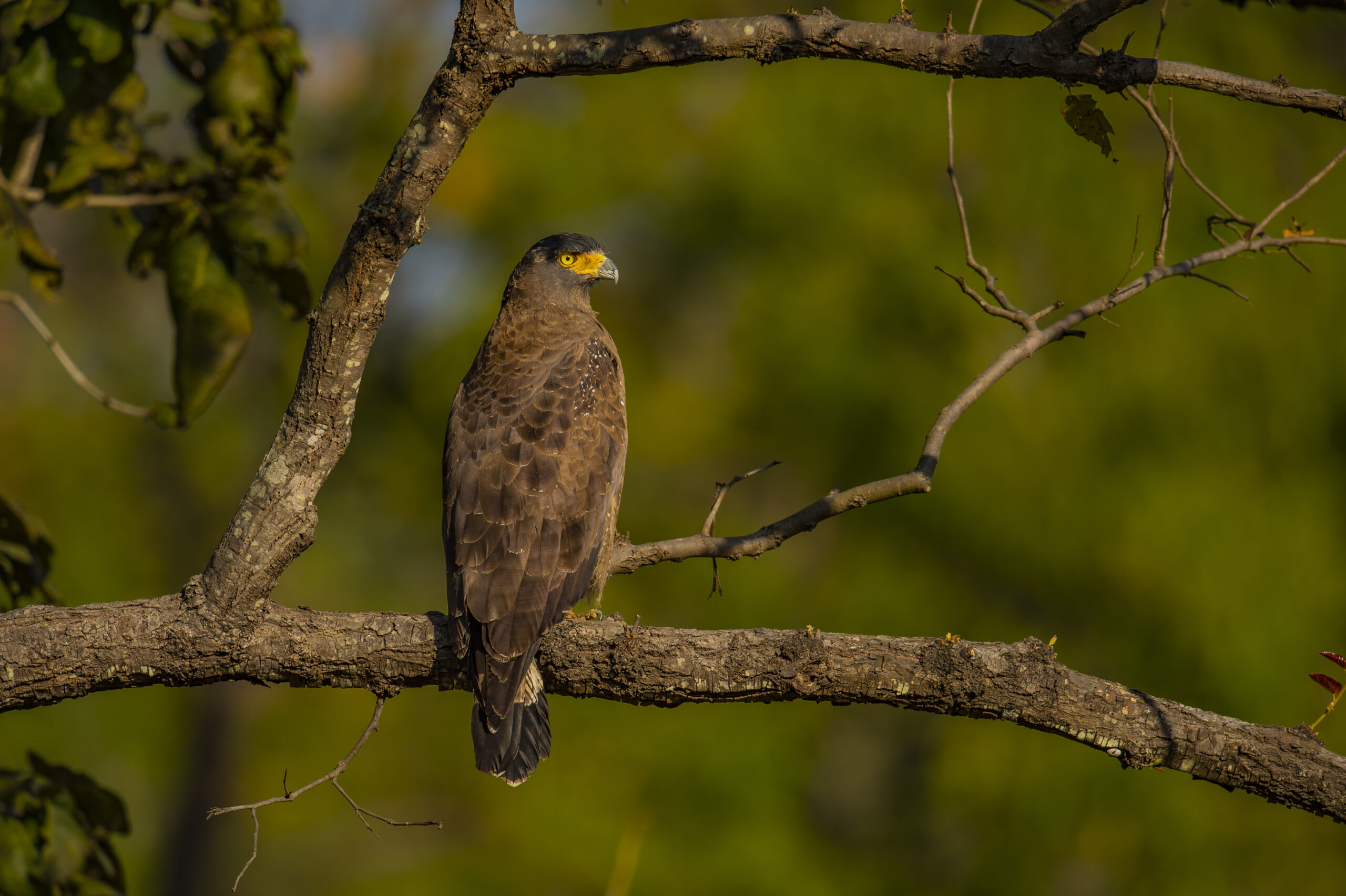
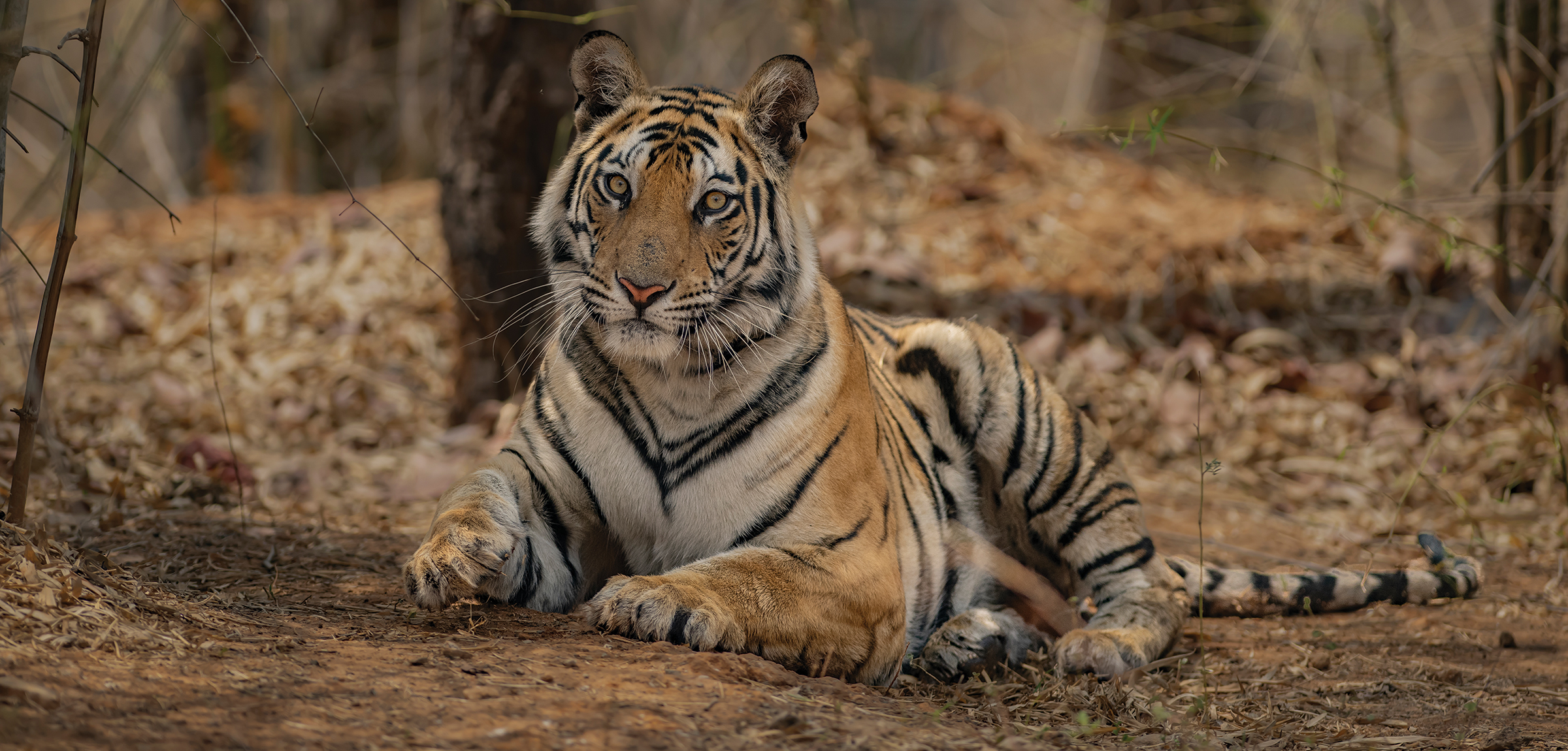
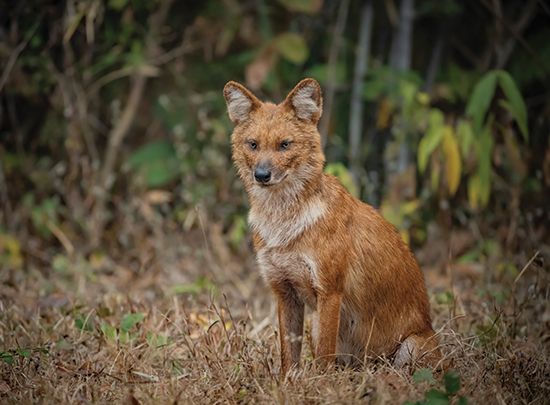
This journey is rooted in landscapes that have actively shaped India’s conservation story. Kanha National Park is inseparable from the pioneering work of George Schaller, whose seminal research on predator–prey dynamics here helped define modern tiger ecology and influenced the birth of Project Tiger. Tadoba-Andhari Tiger Reserve, has risen as a flagship success, its resurgence driven by sustained protection, resilient prey bases, and water-rich forests that now support some of Central India’s most confident tiger populations.
Bandhavgarh National Park carries both drama and legacy: steep cliffs crowned by an ancient fort and legendary tigers such as Charger, Sita, and Bamera, whose stories helped define India’s reputation for intimate tiger encounters. Panna National Park stands as a powerful conservation testament, once devoid of tigers, it was carefully restored through one of India’s most successful reintroduction programmes, proving how science and stewardship can revive an entire ecosystem. The journey culminates in Satpura National Park, celebrated in classic Indian natural history writing for its rugged highlands, river systems, and layered habitats, an older, quieter wilderness that reveals the geological depth and diversity of Central India itself.
Together, these landscapes do more than offer sightings; they reveal how terrain, time, and conservation vision have each played a role in shaping one of the most compelling wildlife regions on Earth.