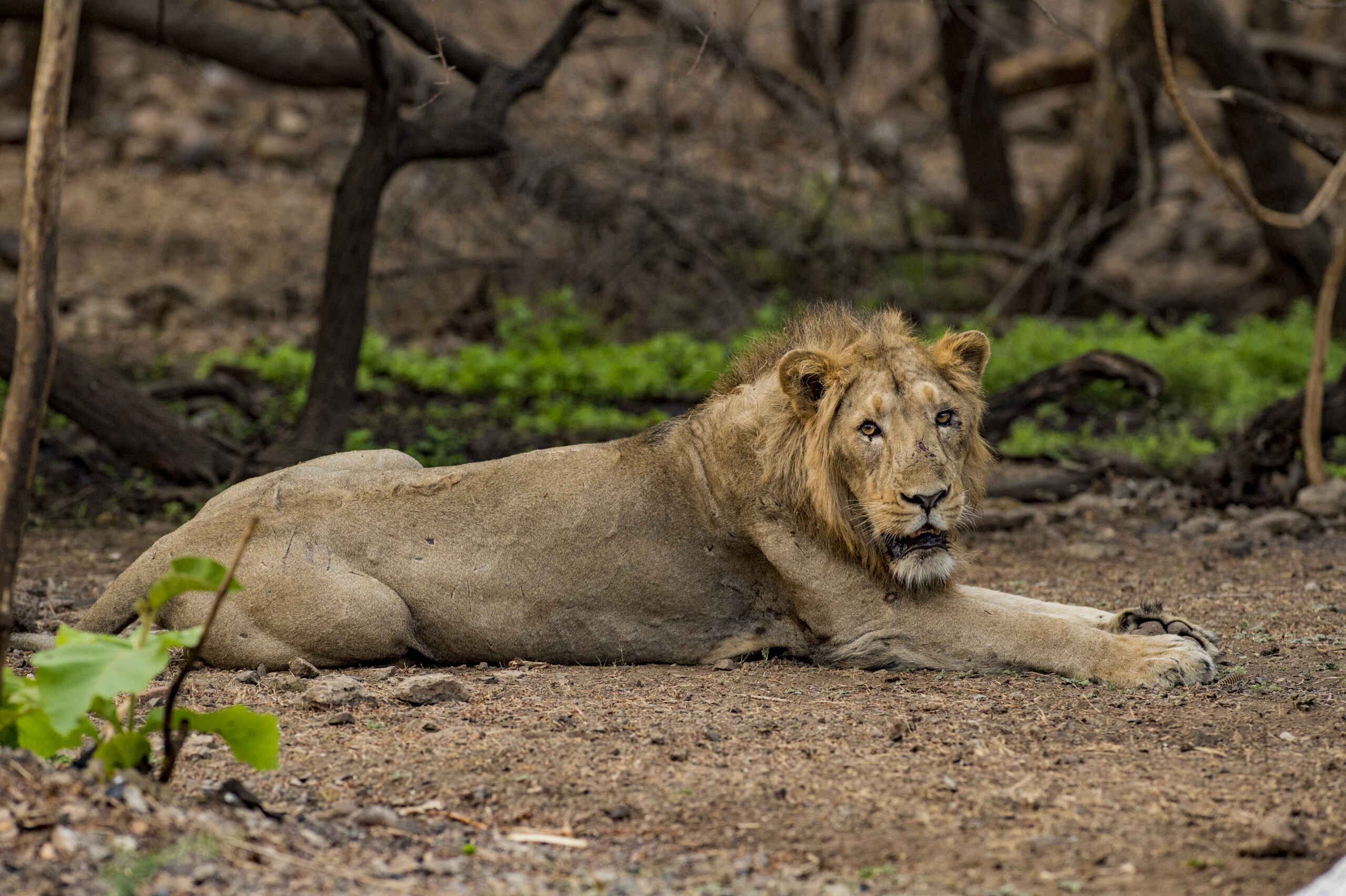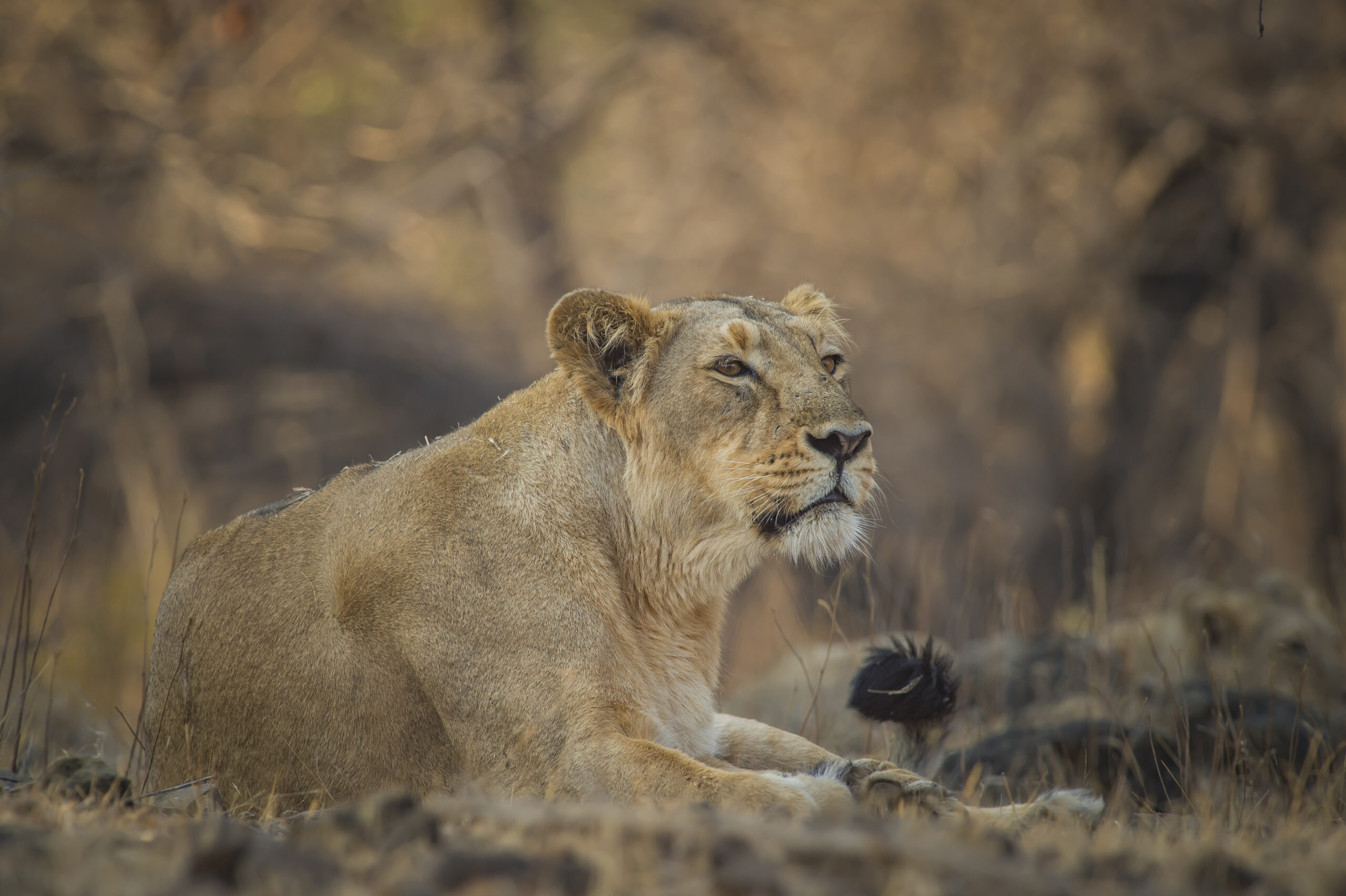
This journey unfolds like a desert wind, shifting in texture, tone, and rhythm as it moves across four of India’s most distinctive wilderness habitats. It begins in the lion-ruled forests of Gir, where dry teak woodland and open scrub sustain the last natural population of Asiatic lions, a landscape shaped as much by conservation success as by ancient ecological balance. Every rustle in the undergrowth carries a sense of quiet authority.
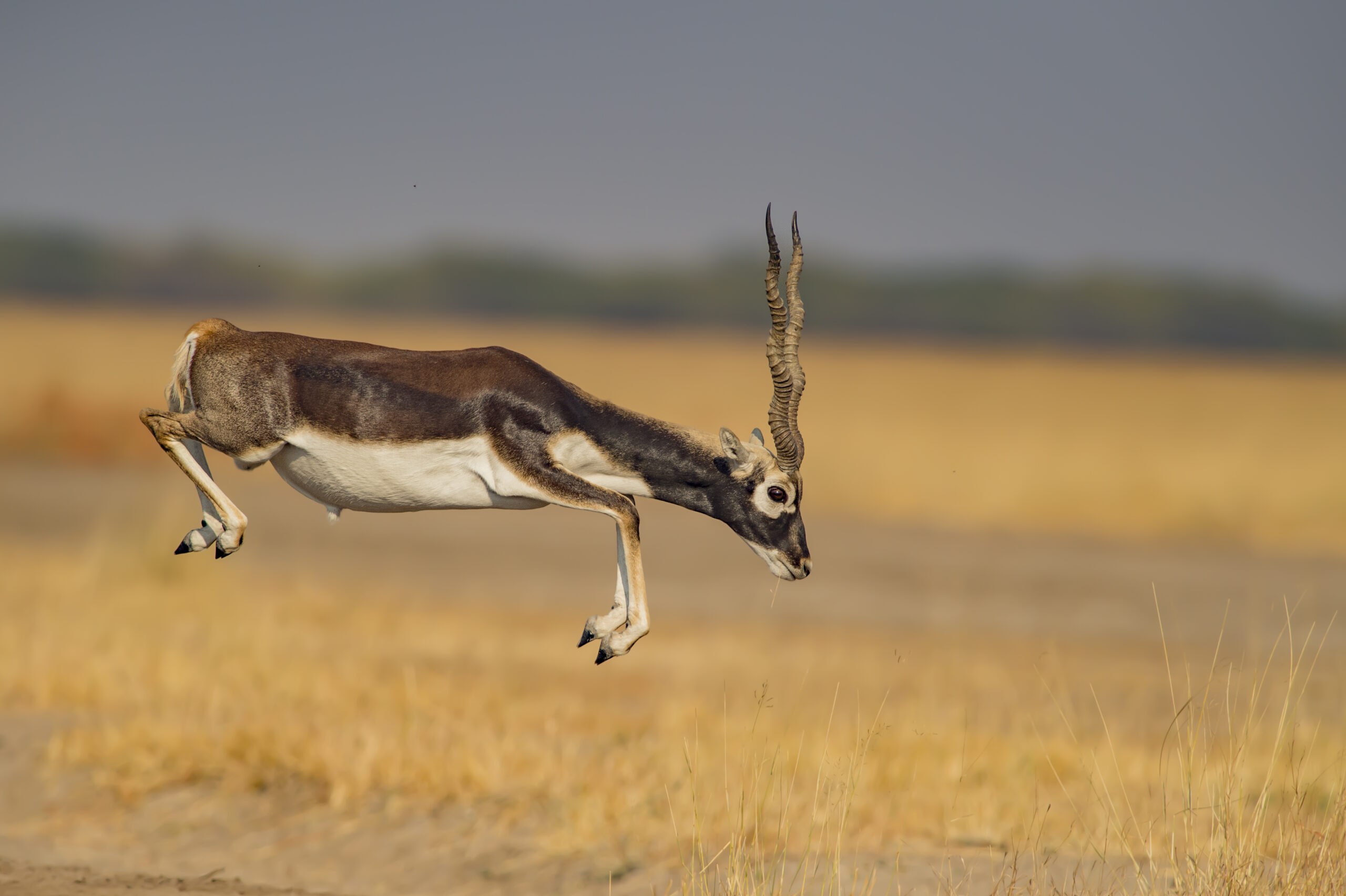
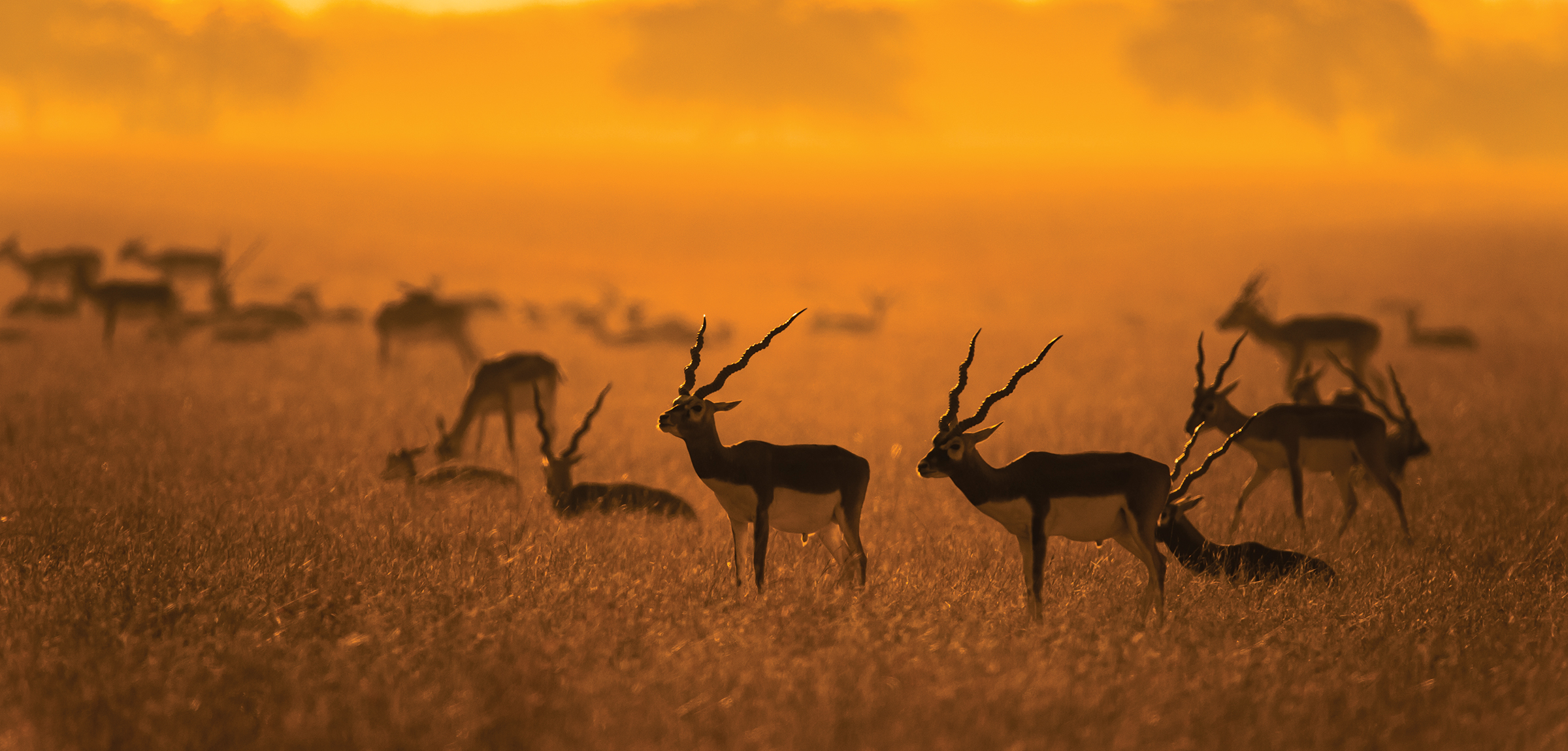
From here, the scenery opens into the luminous grasslands of Velavadar, one of India’s finest and least-altered savannah ecosystems. Vast horizons, seasonal grasses, and salt flats support elegant blackbuck, coursing predators, and a remarkable density of birdlife, offering a visual clarity rare in the subcontinent.
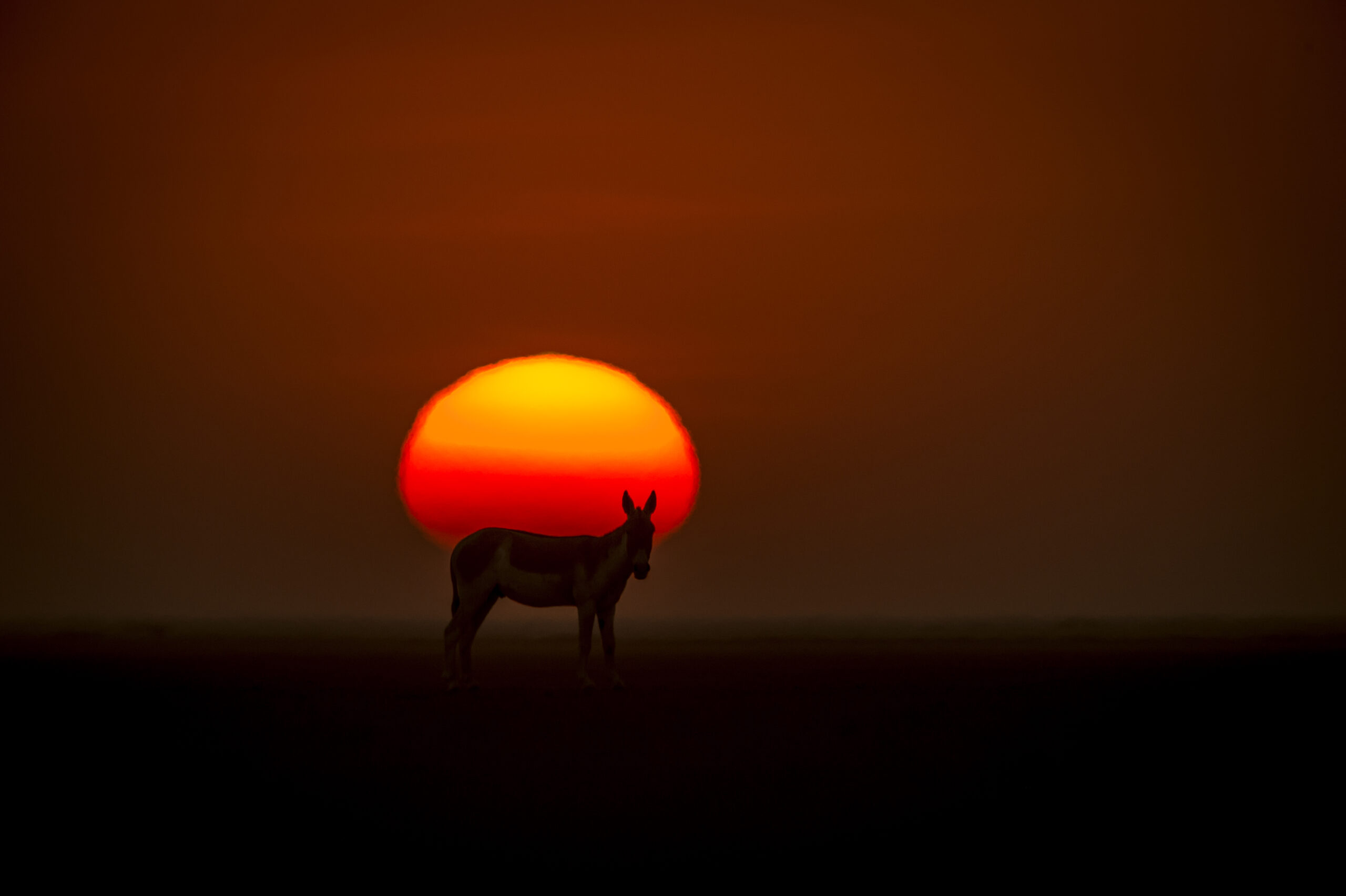
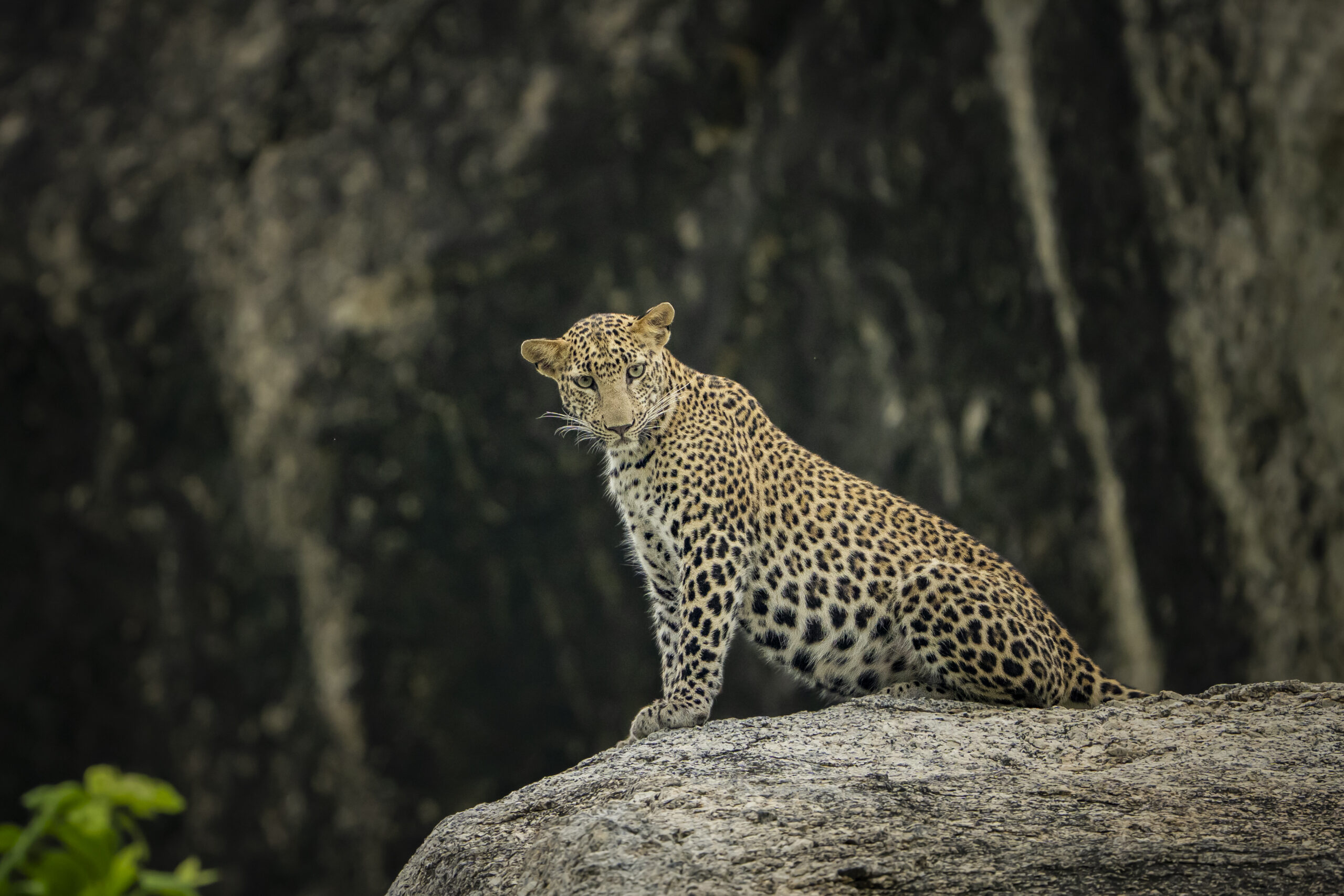
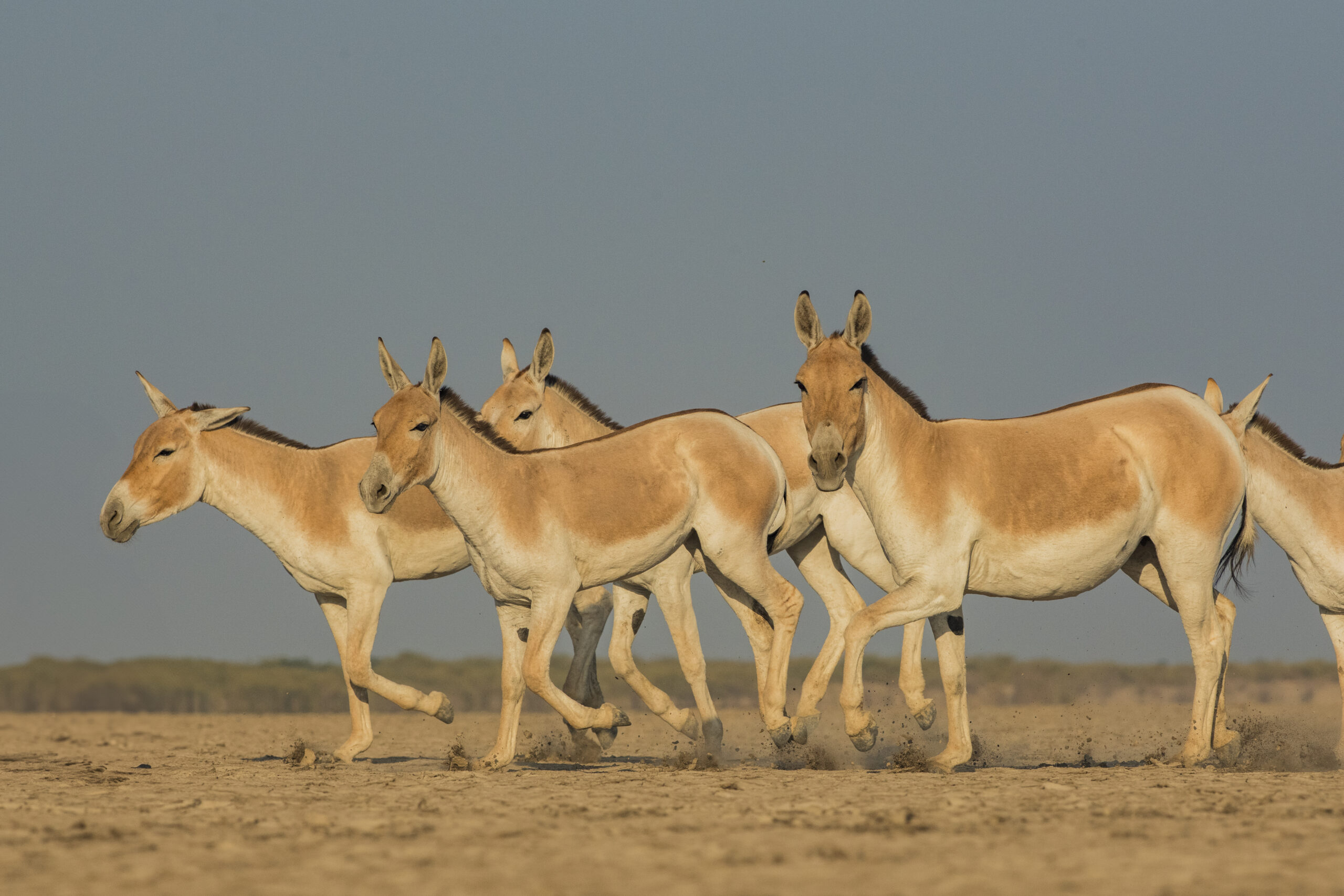
The journey then enters the stark brilliance of the Rann of Kutch, an immense salt desert that feels almost lunar in scale. Here, life has adapted to extremes—Asiatic wild ass move across the white expanse, migratory birds gather at seasonal wetlands, and the silence itself becomes part of the experience. Jawai follows, adding a powerful sense of harmony between people, stone, and wildlife. Ancient granite hills shelter leopards that coexist with pastoral communities, temples rising naturally from rock formations shaped over millennia.
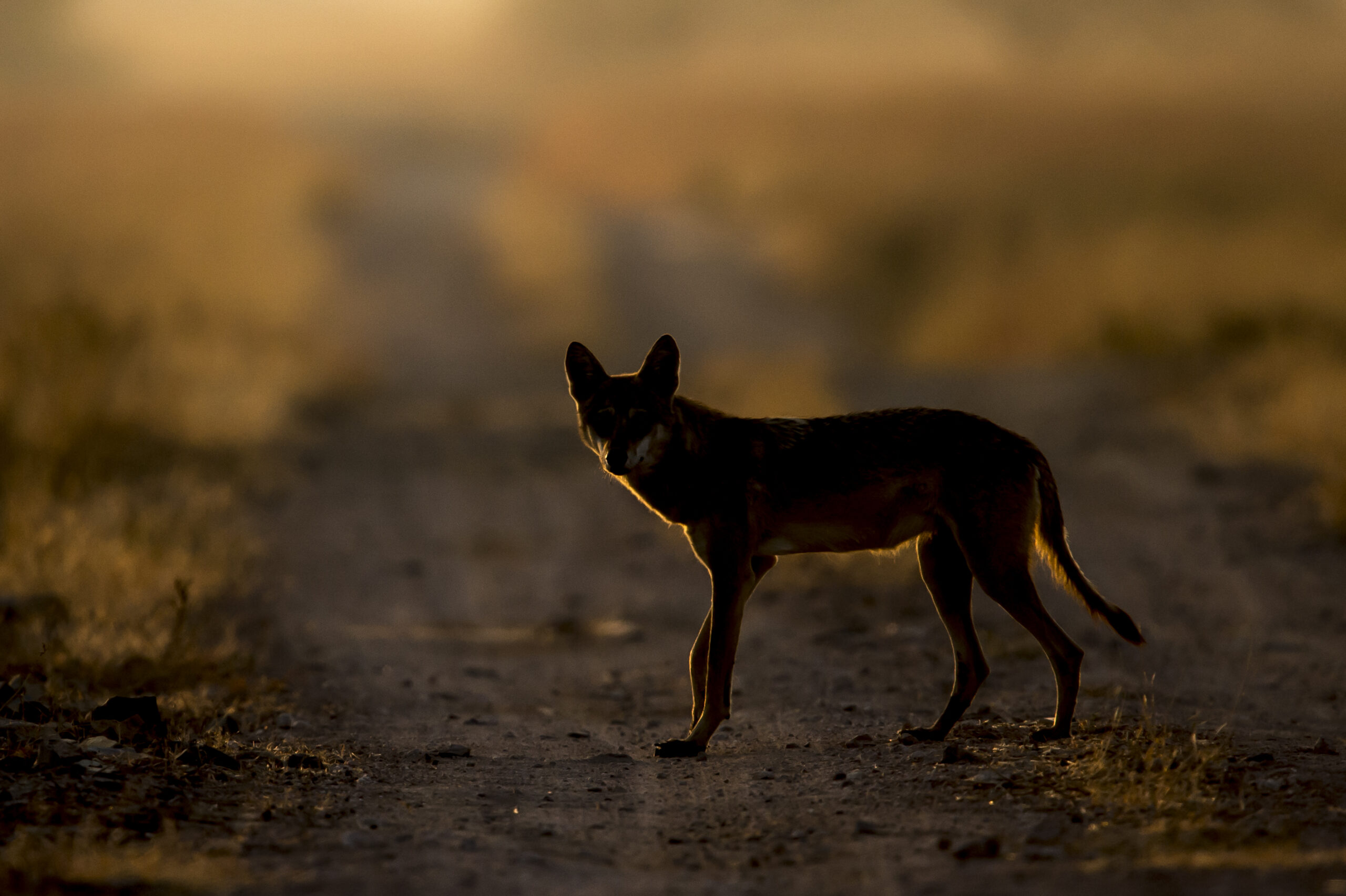
The expedition concludes in the sweeping isolation of the Desert National Park, where arid grasslands and sand dunes support some of India’s most specialised desert species. Together, these regions form a rare and revealing portrait of India’s western wildlands—diverse, resilient, and deeply evocative.