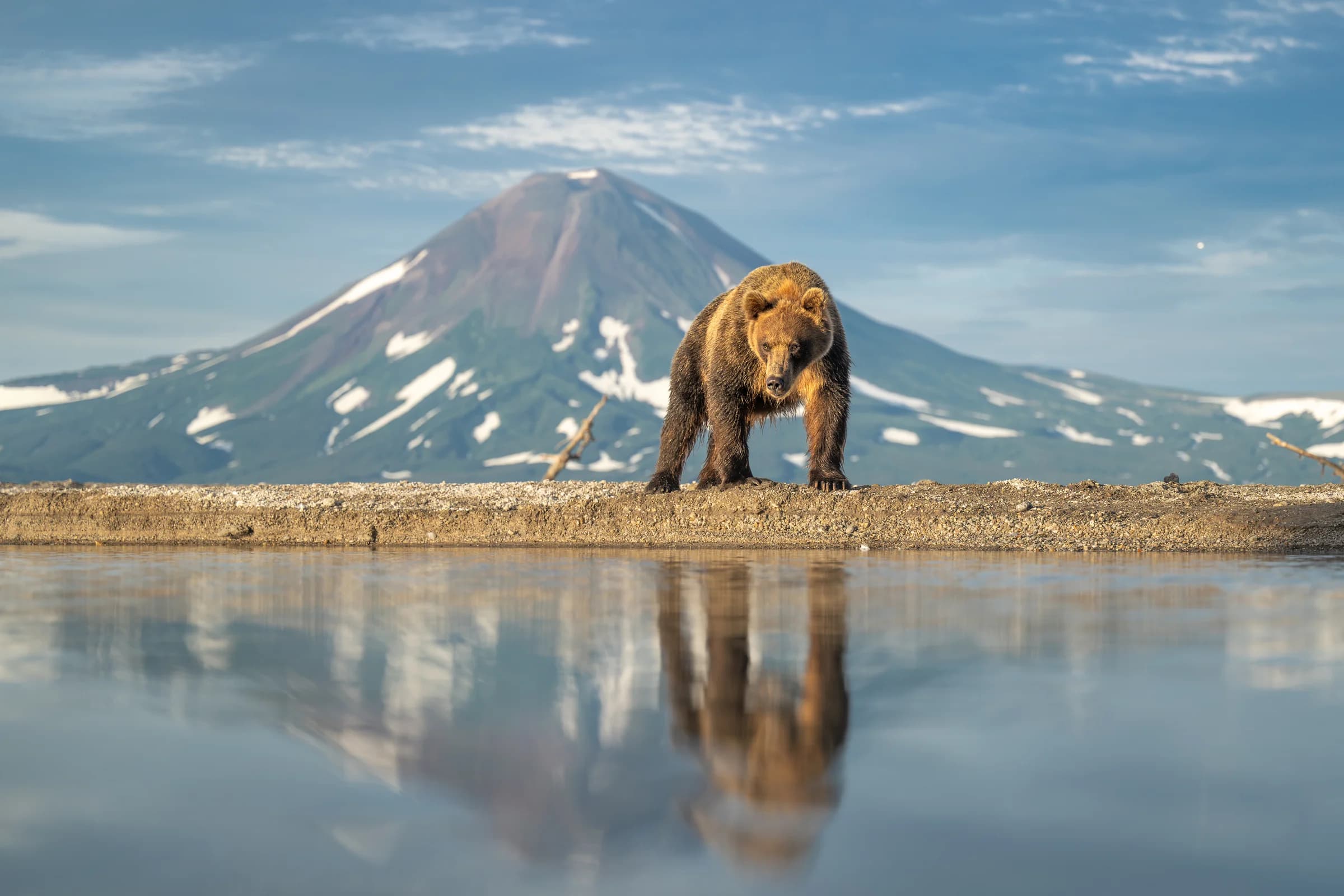
- Highlights
- Brown bears · Pacific salmon · Active volcanoes · Steller’s sea eagles · Wild Pacific coast · Remote wilderness · Exceptional wildlife photography
- Best months
- July to September. September brings autumn colour and continued wildlife activity. Late July and August are particularly strong for salmon and bear activity.
- Ideal duration
- 8–12 nights. Longer for photography, volcanoes and a broader exploration of Kamchatka’s remote landscapes.
- Getting there
- Kamchatka’s main gateway is Yelizovo Airport near Petropavlovsk-Kamchatsky. From there, the peninsula’s more remote wildernesses are reached by a combination of 4WD vehicles, boats and helicopters, depending on the route and conditions.
Introducing Kamchatka
Where the wild is still elemental.
Photo journal
Kamchatka,in frames.
Open any photograph to explore the collection in full screen.
Field intelligence
The Scoop.
01What makes Kamchatka extraordinaryKamchatka brings together active volcanoes, vast salmon runs and one of the world’s great concentrations of brown bears in a landscape that remains remarkably wild.Continue reading
Kamchatka is extraordinary because its wildlife and geology are inseparable. The peninsula’s volcanic and glacial landscapes create a mosaic of rivers, tundra, forests, mountains and coastal habitats, supporting an abundance of species despite its relative isolation.
The salmon runs are central to this story. Kamchatka supports all six species of anadromous Pacific salmon, and its rivers provide some of the most important spawning grounds in the region. When the fish return from the Pacific, they become the seasonal foundation for an extraordinary web of life, feeding brown bears, eagles and other predators.
At Kuril Lake, the spectacle reaches another level. The lake is one of the world’s great sockeye spawning grounds and the arrival of salmon draws large concentrations of brown bears to its shores. Then there are the volcanoes, more than scenery but active forces that continue to shape the peninsula. Add remote Pacific coastlines, sea otters, sea lions and whales, and Kamchatka becomes a rare journey where the sheer scale of the landscape is as important a subject to behold and document as the richness of its wildlife.
02A day in KamchatkaThere is no single standard schedule for a Kamchatka day. Weather, wildlife and the landscape decide how it tells its story. And that, precisely, is the point.Continue reading
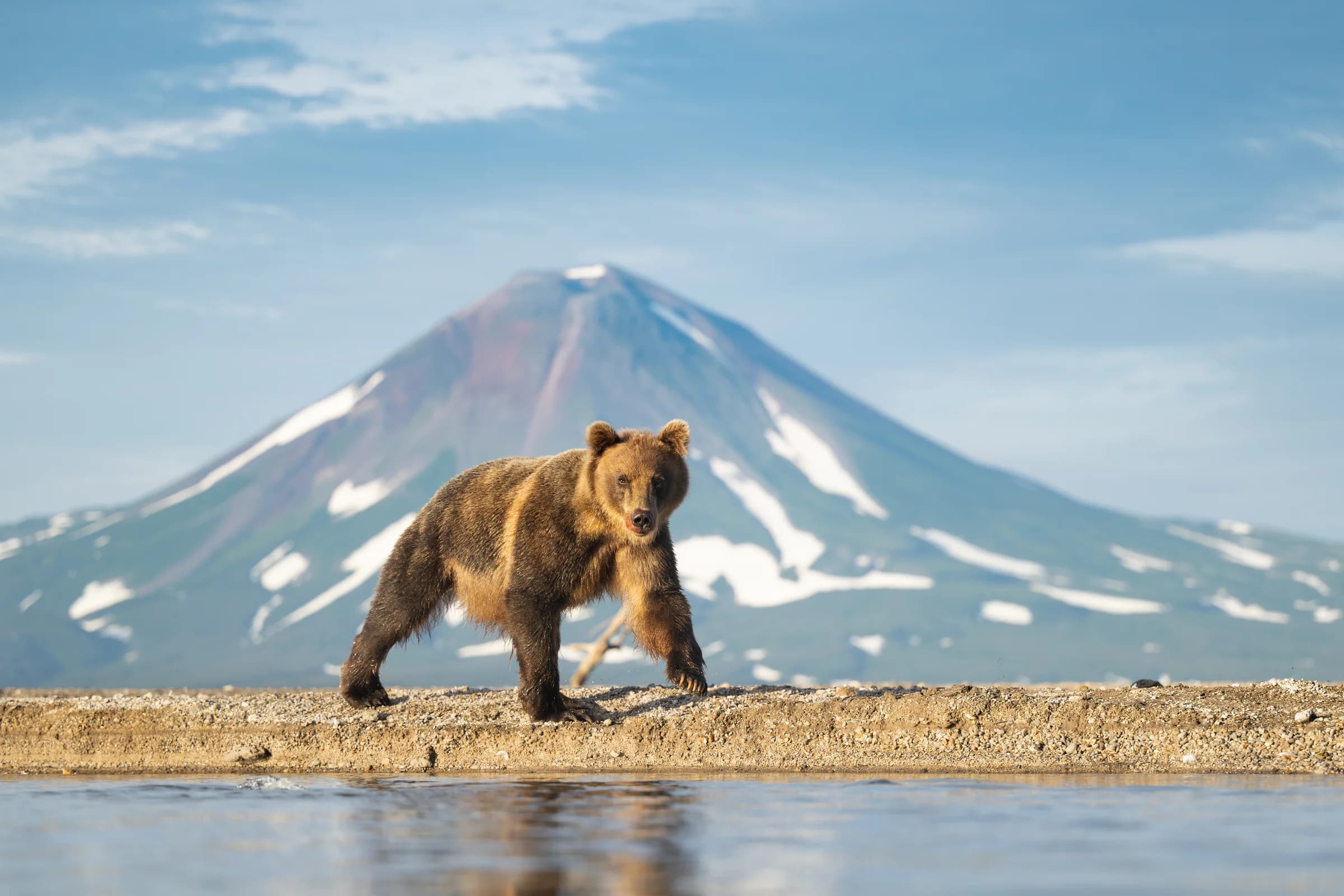
A day in Kamchatka begins early, often before the landscape has fully emerged from its slumber and silence. You may set out towards a salmon river, travelling through tundra with a volcano rising beyond the horizon. Perhaps the bears are already fishing or the river is quiet and your guide suggests waiting. Kamchatka is for the patient.
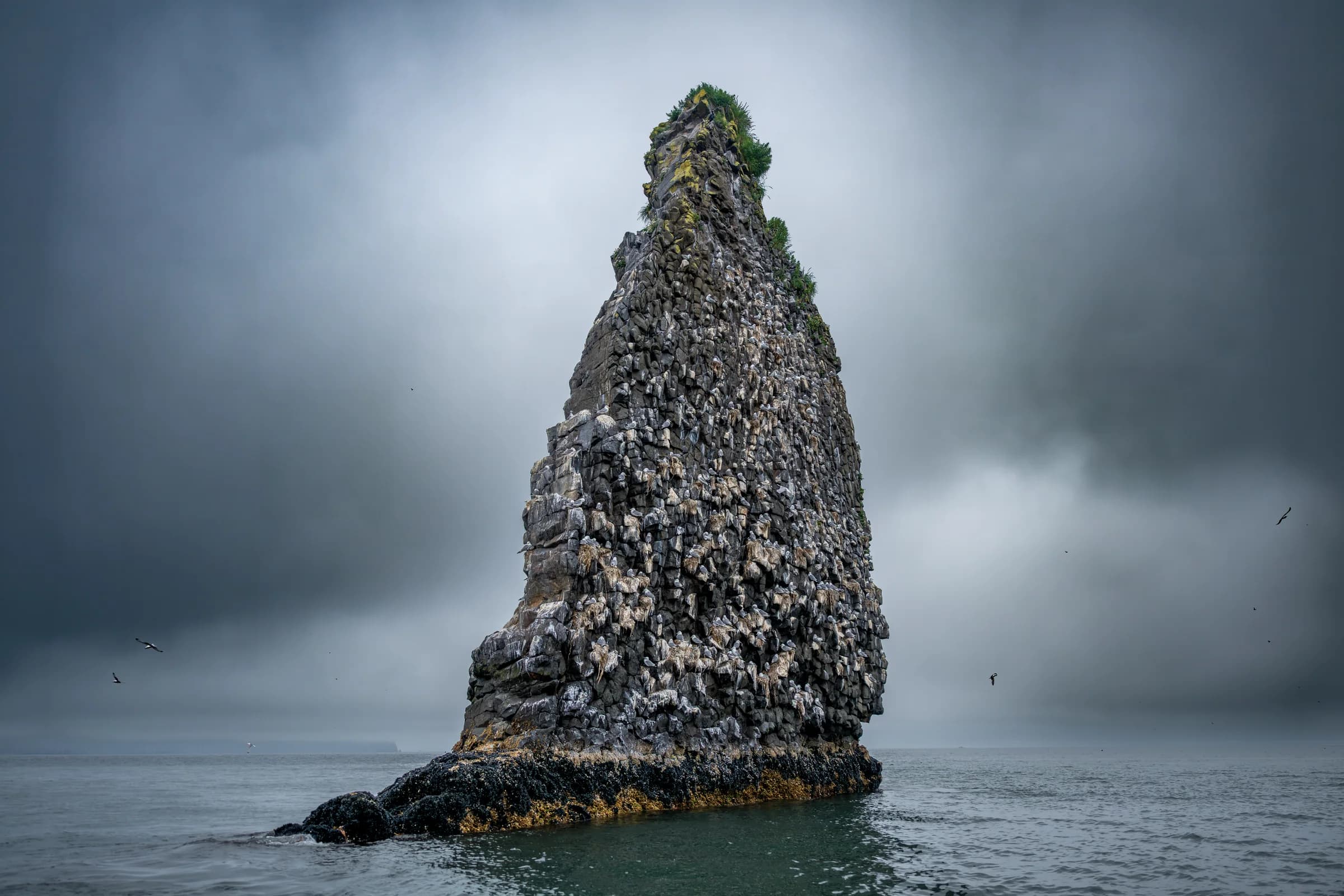
On another day, the weather may open a window for a helicopter flight, carrying you deep into the peninsula’s remote wilderness. Or you may head towards the coast, where sea cliffs, seabirds and marine mammals replace bears and volcanoes as the day's protagonists. This is a destination where weather can change rapidly, and remote access is inherently flexible. The reward is the freedom to spend time where something is happening rather than following an inflexible itinerary.
03Kamchatka, month by monthJuly to September. The heart of Kamchatka’s wildlife season, when salmon, bears, green tundra and long summer days come together.Continue reading
June to early July Summer begins to take hold and snow retreats from the lower landscapes. Also, vegetation turns green and the peninsula begins its short, intense season. Bears emerge and salmon activity begins to build, while the landscape retains the drama of snow-covered volcanoes and high mountains.
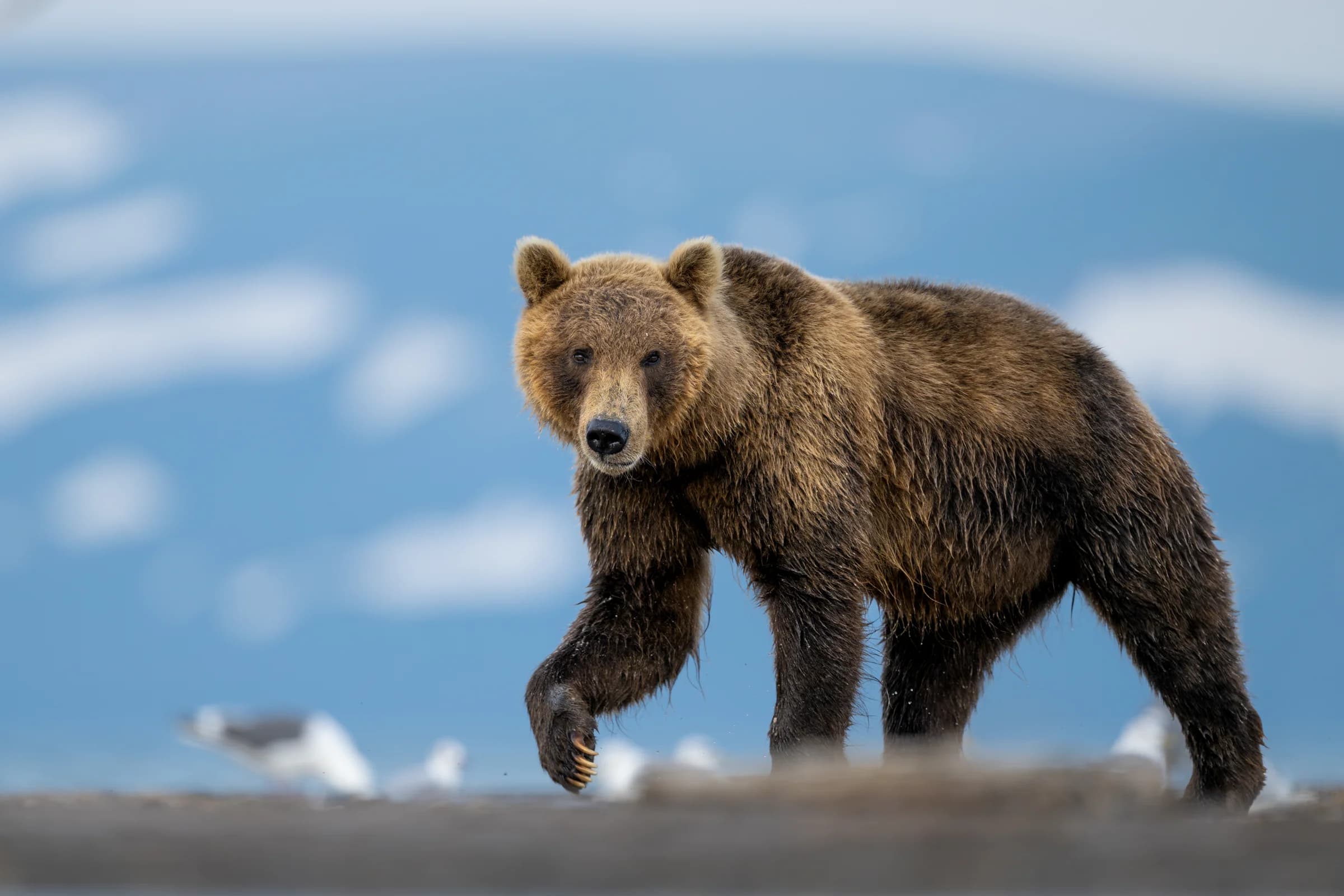
Late July to August This is the classic period for brown bears and salmon. As Pacific salmon move into the rivers to spawn, bears gather around some of Kamchatka’s richest waterways. Kuril Lake becomes particularly compelling, while the peninsula’s tundra is at its summer best.
September The season begins to turn and autumn colours enter the landscape while salmon remain active in some rivers and bears continue to feed intensely before winter. The days shorten and conditions can become more changeable, but the combination of wildlife and autumn landscapes can be exceptionally rewarding. The timing of a Kamchatka journey matters enormously as helicopter access is weather-dependent, and remote journeys benefit from building flexibility into the itinerary rather than treating every plan as guaranteed.
04Why Kamchatka is special for photographersFew wildlife destinations offer such a powerful combination of intimate animal encounters and immense, elemental landscapes.Continue reading
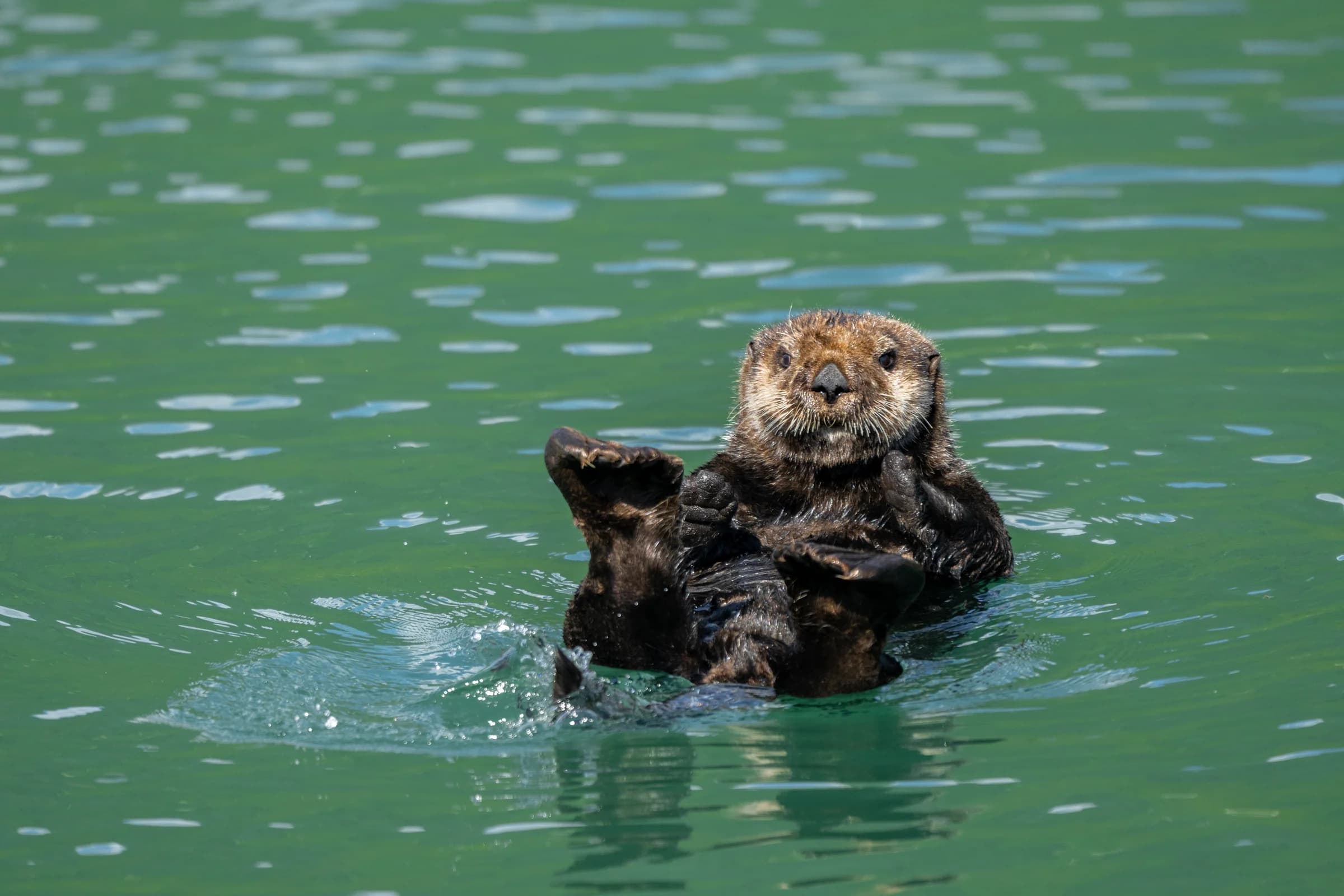
Kamchatka offers photographers something increasingly rare: wildlife that can be photographed in their extraordinary natural context.
A brown bear fishing for salmon is compelling in itself. Place that bear against a volcanic ridge, a river of spawning fish or the vast green tundra, and the image becomes a story about an entire ecosystem.
The landscape constantly changes the frame: volcanoes rise behind rivers and fog persists in the valleys while rains transform the light. Salmon turn clear water into a moving ribbon of silver and red. Along the coast, sea cliffs, seabird colonies and marine mammals bring an entirely different visual vocabulary.
The best photographs are rarely made by simply arriving and pointing a camera at an animal, for predictable portraits. Here, they come from learning the landscape and the light, understanding the behaviour and allowing a scene to develop with all its glorious details.
05The breathtaking wildlife of KamchatkaKamchatka’s wildlife spells abundance: salmon-rich rivers, immense brown bears and a remarkable cast of species on land, in the air and along the coast.Continue reading
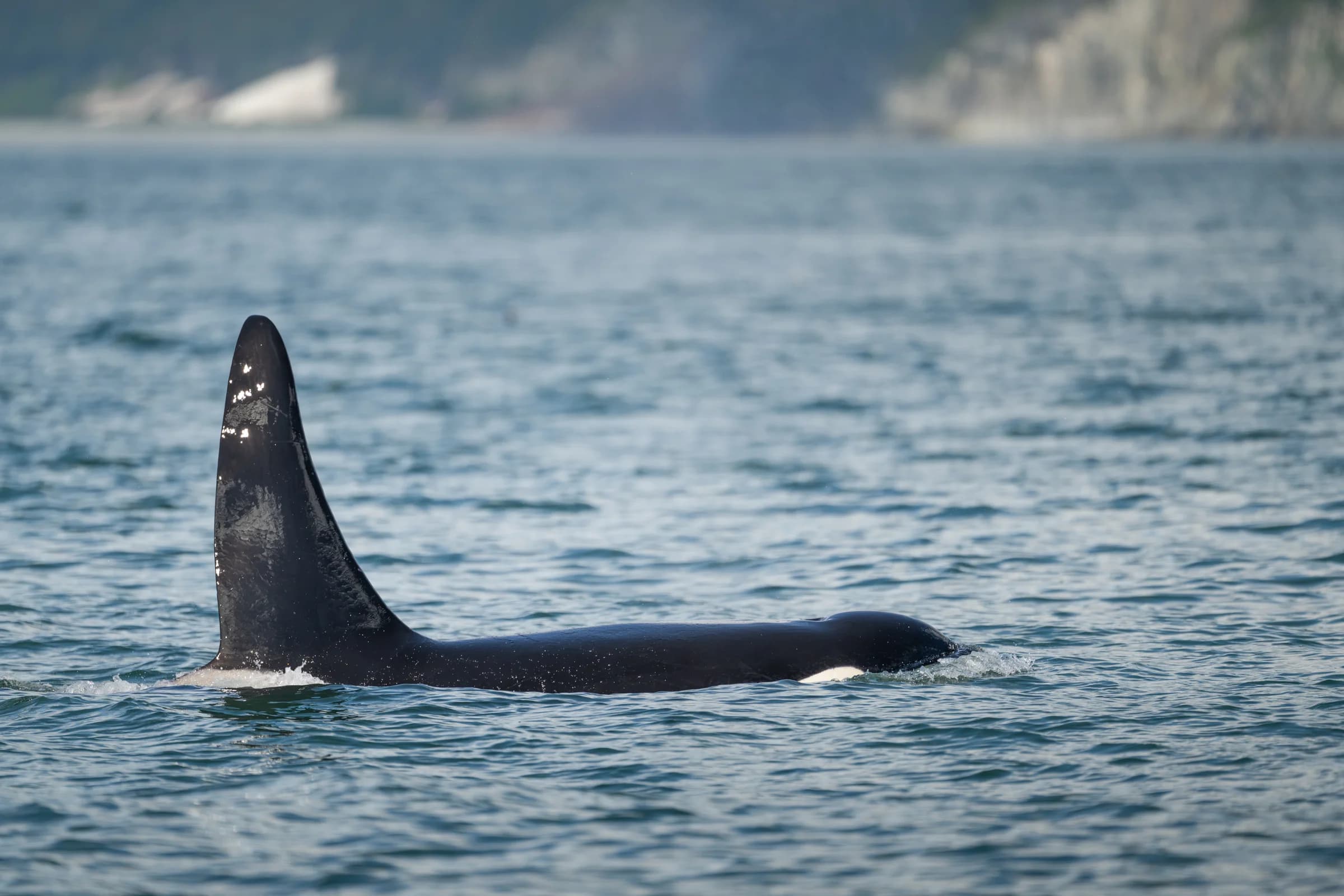
Brown bears are the undisputed stars of Kamchatka, particularly during the salmon season. The peninsula supports some of the world’s most important populations, with especially impressive concentrations around the salmon-rich waters of southern Kamchatka.
But the wildlife story of the Far East extends far beyond bears here. Steller’s sea eagles and white-tailed eagles patrol the rivers and coast, while wolverines, sable, reindeer, moose and Kamchatka snow sheep inhabit the peninsula’s forests, mountains and tundra.
The Pacific completes the picture. Sea otters and Steller sea lions inhabit coastal waters, while whales can be encountered offshore. The rich marine environment also supports vast numbers of seabirds. And beneath all of it is salmon. Every returning fish connects the ocean to the rivers and the rivers to the bears, eagles and wider ecosystem. In Kamchatka, following the salmon is a pilgrimage in its own right for wildlife lovers.
06Where to go in Kamchatka?Kamchatka is enormous. Different regions unveil very different expressions of its wilderness.Continue reading
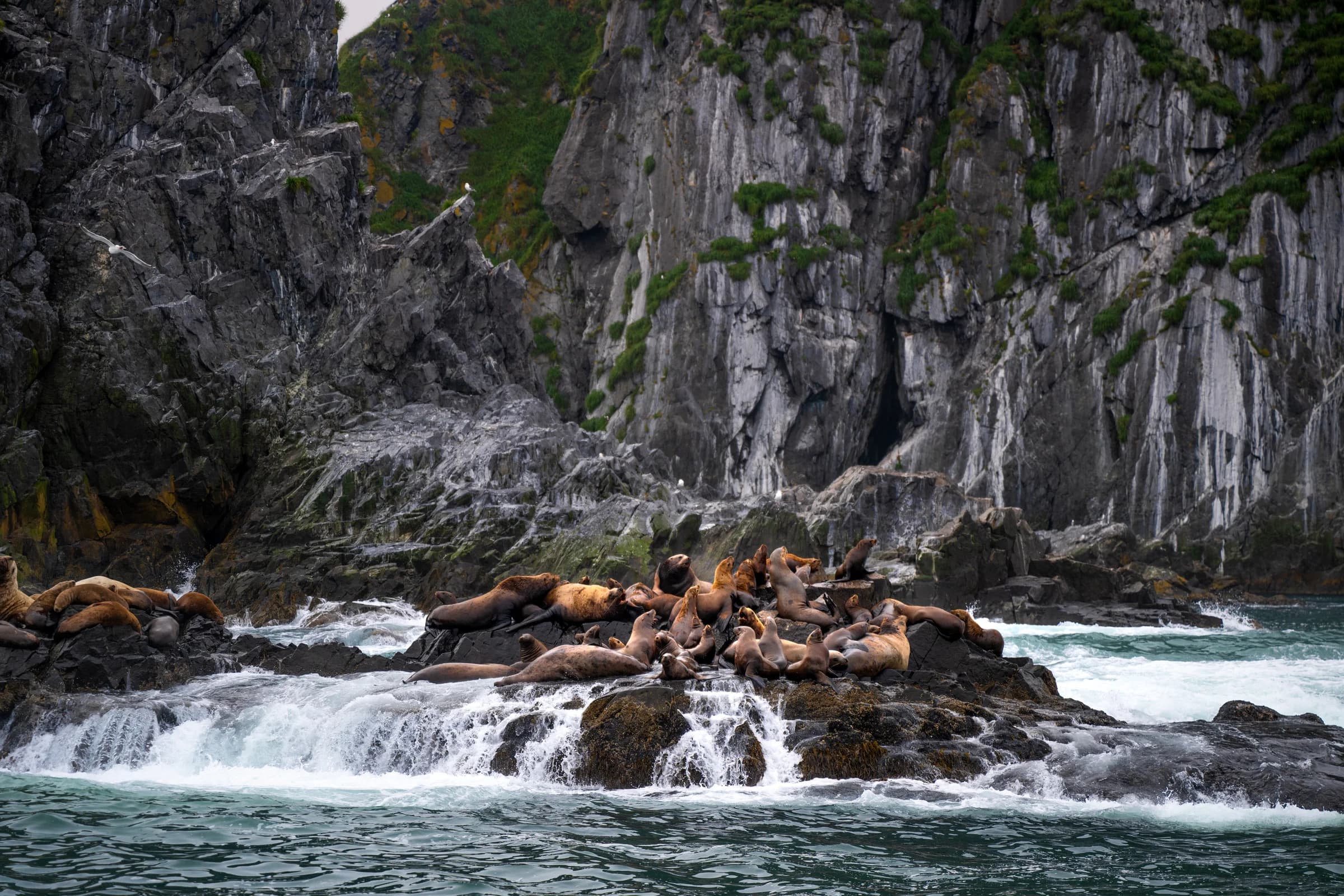
The right route depends on what you want from the journey. For brown bears and salmon, southern Kamchatka and the Kuril Lake region are among the peninsula’s great wildlife destinations. During the salmon run, the concentration of fish and bears creates some of the most remarkable wildlife viewing in the Far East.
Kronotsky and the eastern coast bring together volcanoes, tundra, rivers and a rich marine environment, with brown bears, sea eagles, sea otters, sea lions and whales forming part of the wider ecosystem. Elsewhere, the volcanic landscapes around central Kamchatka offer a very different experience, with dramatic peaks, glaciers and geothermal features.
We choose the geography according to your priorities – whether that is bears, photography, volcanoes, landscapes, marine wildlife or simply spending time in one of the world's great remote wildernesses.
Good to know
Question, meet answer.
When is the best time to visit Kamchatka?
For the classic wildlife experience, July to September is the key season. Late July and August are particularly strong for the salmon runs and brown bears, while September brings autumn colour and continued wildlife activity.
How many nights should I spend in Kamchatka?
Around eight to twelve nights works well for a focused Kamchatka journey. Longer stays make sense if you want to combine bear viewing with volcanoes, coastal exploration and photography, particularly because weather can affect access to remote areas.
How do I get around Kamchatka?
Kamchatka is remote and conventional road access is limited. Depending on the journey, travel can involve 4WD vehicles, boats and helicopters. Helicopter flights are particularly important for reaching some of the peninsula’s most remote wildlife areas, but are naturally and completely dependent on weather conditions.
Can I see brown bears in Kamchatka?
Yes! Brown bears are one of Kamchatka’s great wildlife attractions, and the salmon season creates exceptional opportunities to observe them fishing and feeding. Kuril Lake is particularly renowned for concentrations of bears during the salmon run.
Is Kamchatka good for a luxury wildlife journey?
It can be. But luxury here is less about materialistic conveniences or conventional resort infrastructure and more about how intelligently the journey is planned. The right access, experienced local teams, expert guides, carefully chosen accommodation and sufficient flexibility can transform a demanding remote expedition into a deeply rewarding one.
Is Kamchatka suitable for wildlife photography?
Very much so! The combination of accessible wildlife, dramatic landscapes, exceptional summer light and unusual behaviour around the salmon runs makes Kamchatka particularly compelling for photographers. The best results, however, depend on giving the experience enough time and allowing for weather and wildlife behaviour rather than trying to force a fixed schedule.
Related destinations
The show goes on.
Continue into another remote landscape shaped by wildlife, weather and elemental scale.
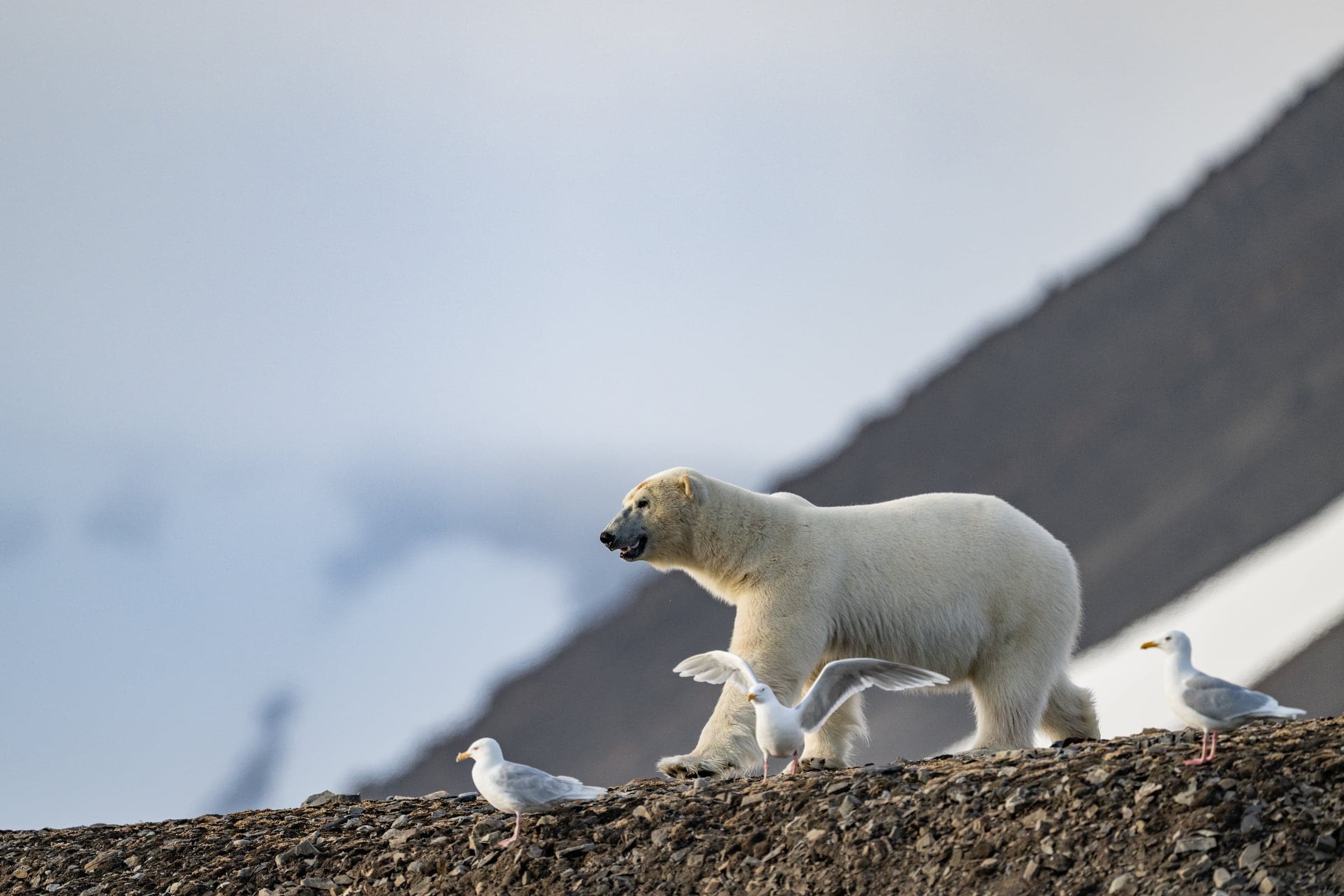
Norway
Svalbard
Explore SvalbardYour private journey
Plan your Kamchatka journey with us.
Kamchatka means fulfillment, if your travel commits to preparation, flexibility and understanding the realities of travelling into remote wilderness. Tell us what draws you here and we will work backwards from that: the season, the wildlife, the regions, the access, the camps and the time you need in the field. Weather may have the final word, but the planning should be ours. The experience, of course, is yours to discover.
Start Planning