January 3, 2026 / 3 Min Read
The Golden Moment matters more than the Golden Hour
The golden hour is taught as a promise. Warm light spilling across the land, shadows stretching gently, everything bathed in kindness. It is beautiful, undeniably so. But nature does not perform only in those narrow windows. The real magic unfolds long before and long after the sun behaves.
The golden moment is quieter, less obedient. It arrives unannounced, in the hush before rain, in the weight and suspense of fog, in the sharp glare of noon when the land feels stripped bare. It is the joy of standing still and watching the theatre of nature change its costume with every season, brushed by shifting moods of light.
Photography becomes richer when you stop waiting for perfection and start responding to presence.
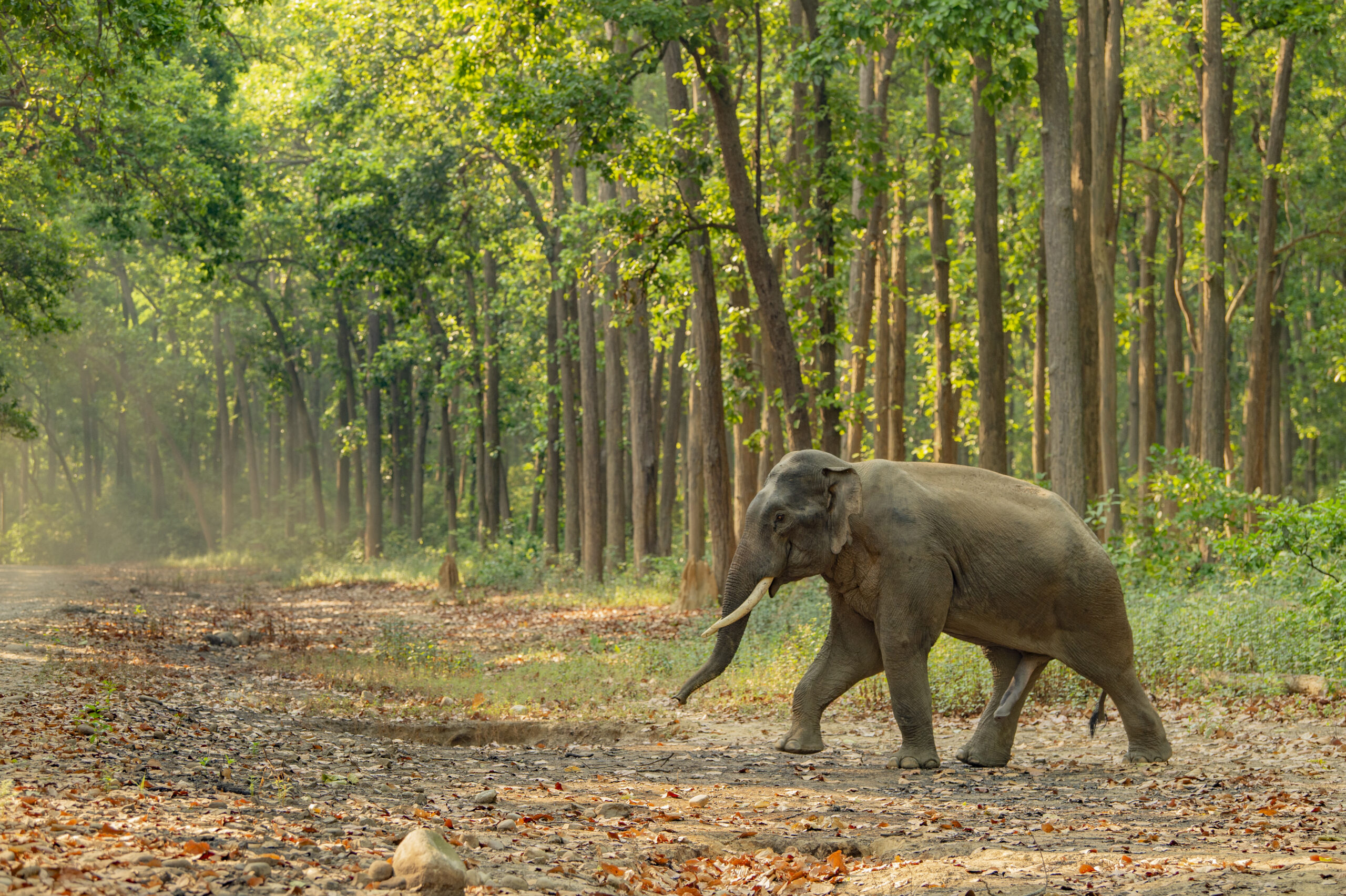
We often label rain, haze, fog, and harsh sun as “bad light.” But these conditions are not failures of illumination, they are emotional states of the landscape. When the sky closes in and the air thickens, the world feels closer, more intimate. The scent of wet earth rises. Colours deepen. Sound softens. The camera, too, begins to listen rather than shout.
Rain turns moments tactile. Droplets strike leaves and fur, catching light in fleeting flashes. A deer lowering its head in rain carries a different weight than one in sunlight. Wet feathers cling, revealing patterns normally hidden. The scene feels alive, breathing. You are no longer recording wildlife; you are an artist in a theatre performing with your camera.
Fog slows everything down. It removes the unnecessary. The background dissolves, the horizon disappears, and suddenly form matters more than detail. Shapes emerge gently, as if the forest is deciding what it wants you to see. There is comfort in not knowing what lies beyond the frame. Mystery becomes the subject. In these moments, photography feels less like capturing and more like waiting. It is the magic of obscurity, when captured well feels eclectic. Don’t try to push your camera too hard in this condition, capture the softness, the lines that shape the wonders of mother earth.
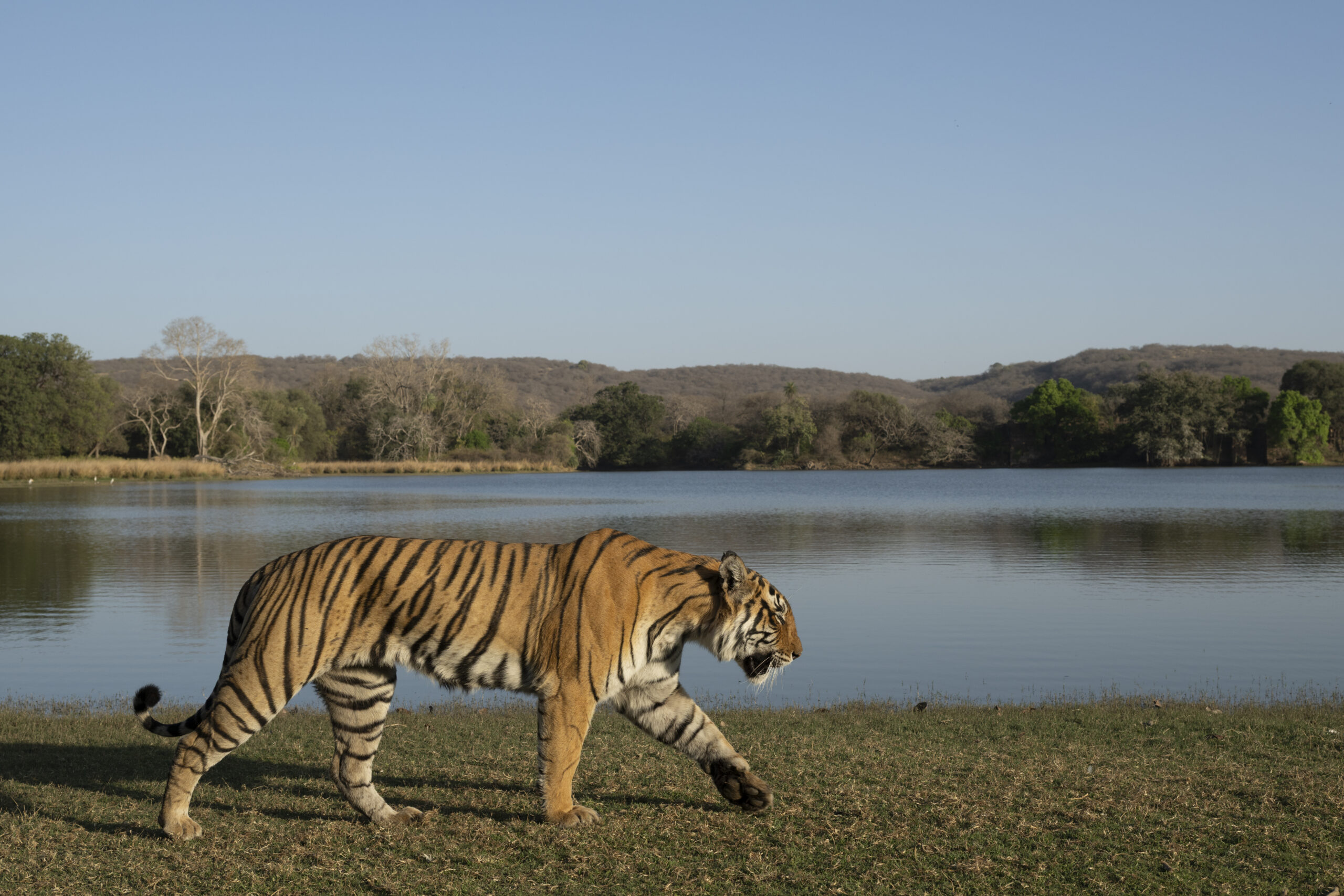
Even the unforgiving midday sun has a language of its own. It carves the land sharply, drawing bold lines of light and shadow. There is no softness to hide behind, only structure and contrast. The world becomes graphic, almost architectural. Animals step through patches of brightness like actors crossing a stage. If you let go of colour and think in tones, this harshness becomes honesty. Monochrome and patterns is what you may choose to relay forward through the shutter.
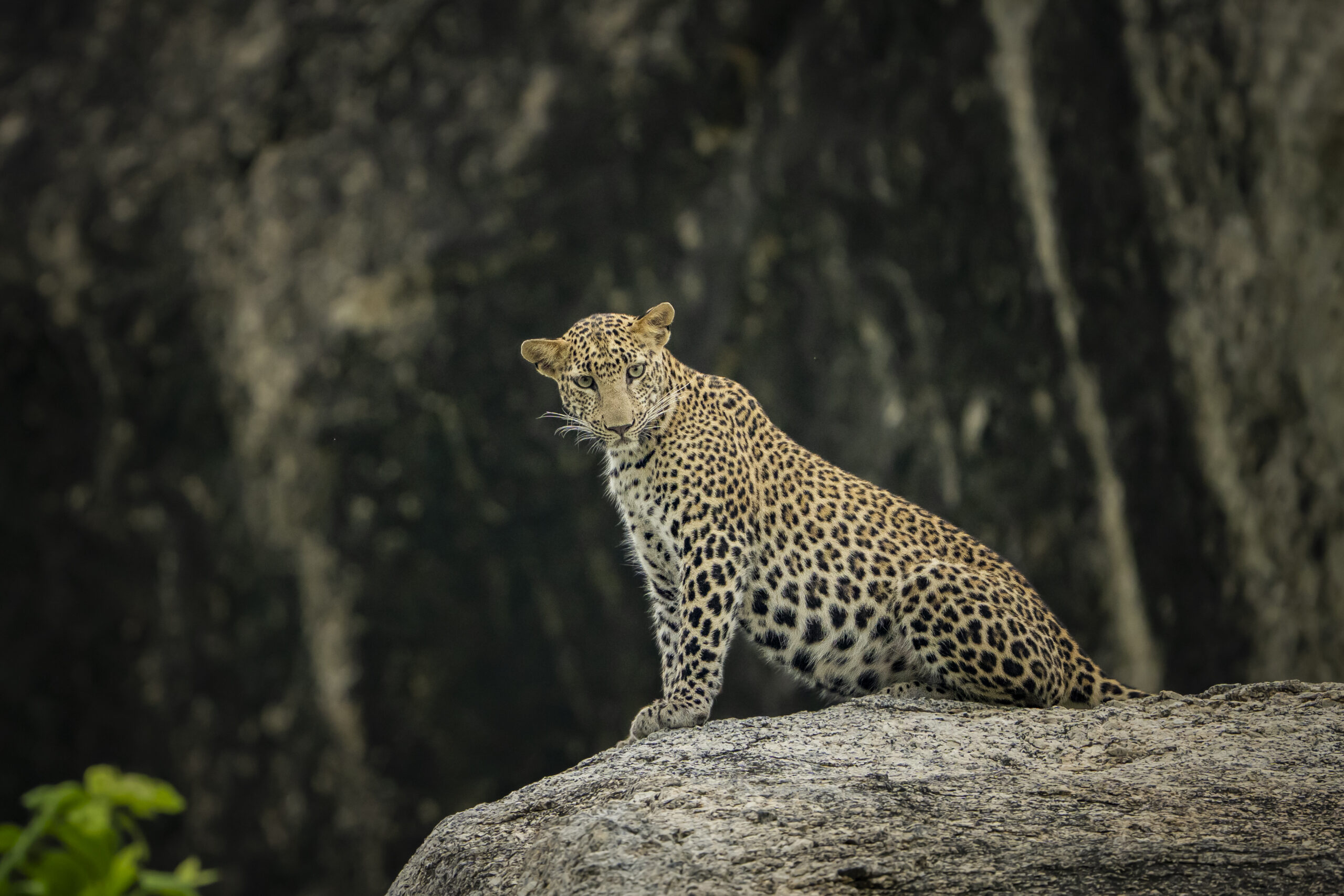
Soft light, when it arrives through cloud or mist, carries tenderness. It wraps rather than reveals.
The mistake is not working in difficult light. The mistake is believing that beauty only exists at a certain hour. When you stop chasing the golden hour and start honouring the golden moment, photography becomes less about control and more about surrender. You begin to feel the weather on your skin, the weight of the air, the rhythm of the wild. And your images carry that feeling forward, quiet, honest, and deeply alive.