January 20, 2026 / 4 Min Read
In India, wilderness is rarely distant. Forests dissolve into farmlands, rocky escarpments lean into villages, and ancient animal paths cross highways without ceremony. This is not a country where the wild exists behind clear borders. It is layered, lived-in, and constantly negotiated. And within this complexity, one big cat has mastered– not conquest, but coexistence.
The leopard survives here not by claiming space loudly, but by weaving its presence through.
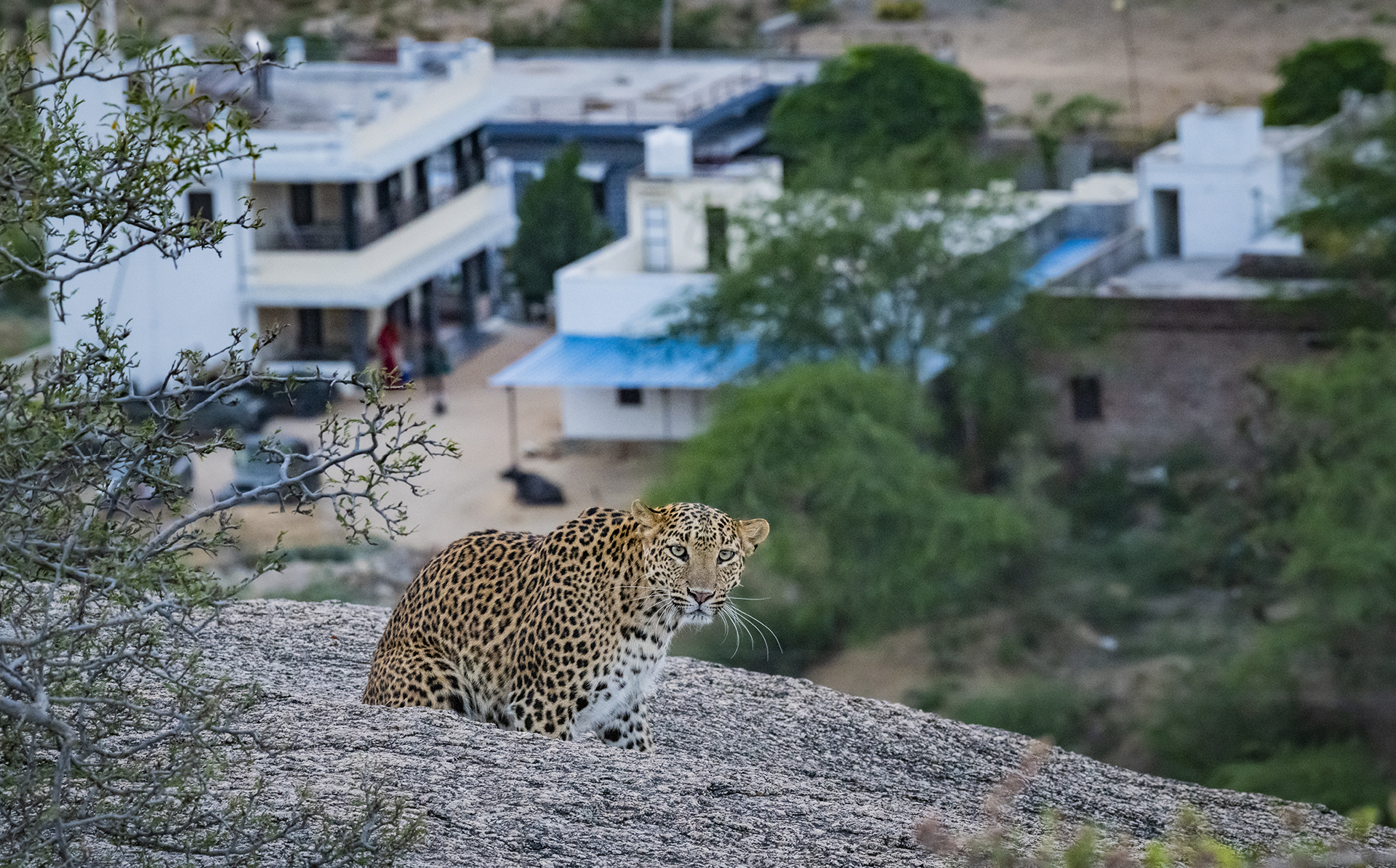
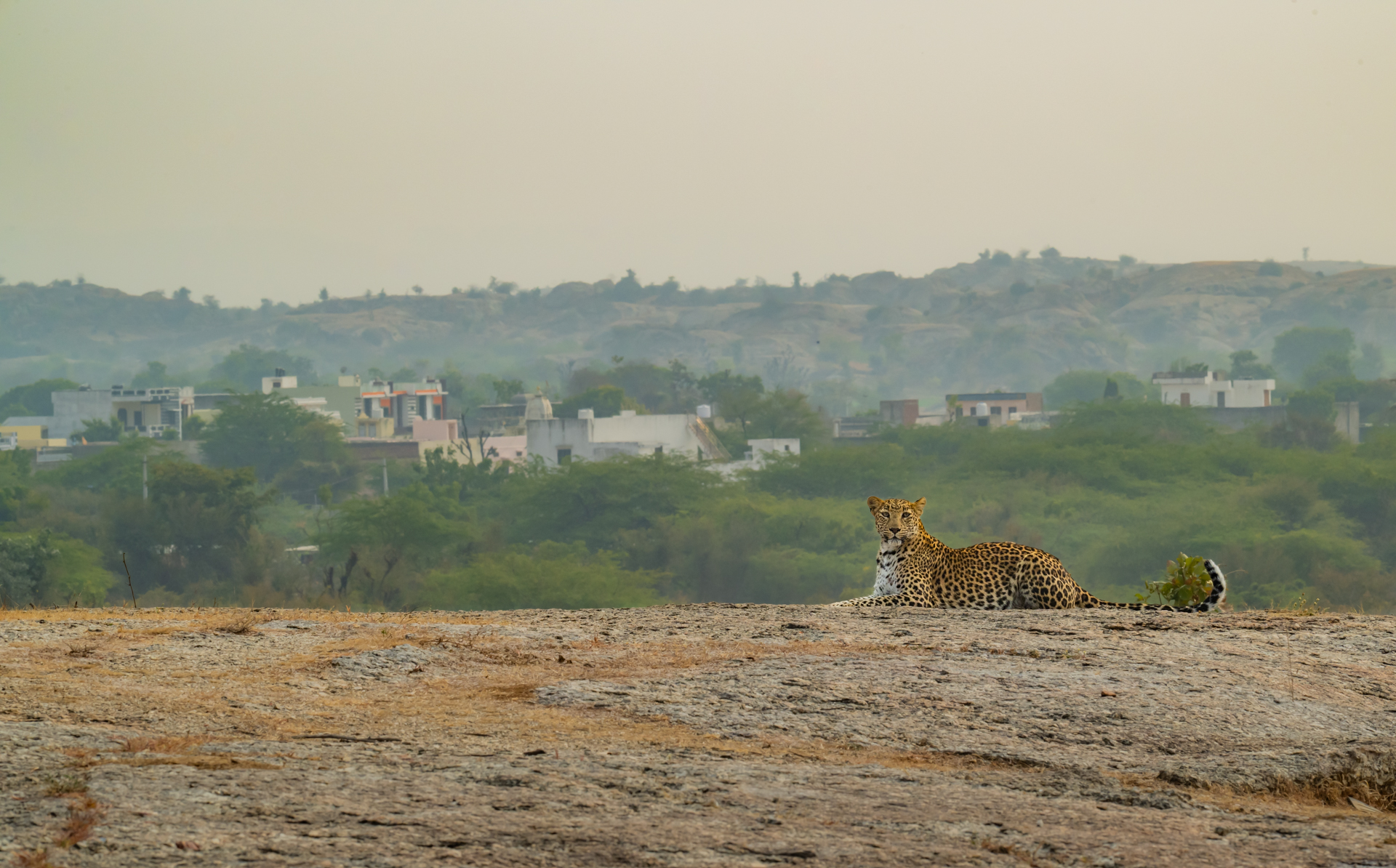
According to the Status of Leopards in India 2022, India supports an estimated 13,874 leopards, the largest remaining population of the species anywhere in the world. Yet this number does not describe pristine wilderness. More than 65 percent of India’s leopards live outside protected areas, navigating landscapes shaped by cultivation, grazing, roads, quarries, and human settlement. Their success is inseparable from proximity to people and from the art of staying unseen.
Unlike tigers, which require large, contiguous forests, leopards thrive in complexity. Dry deciduous woodlands, scrub forests, plantations, rocky hills, forest–agriculture mosaics, and even the edges of expanding cities become viable habitat. This adaptability makes the leopard India’s most resilient big cat, and also its most vulnerable. Survival here is not guaranteed; it is negotiated daily.
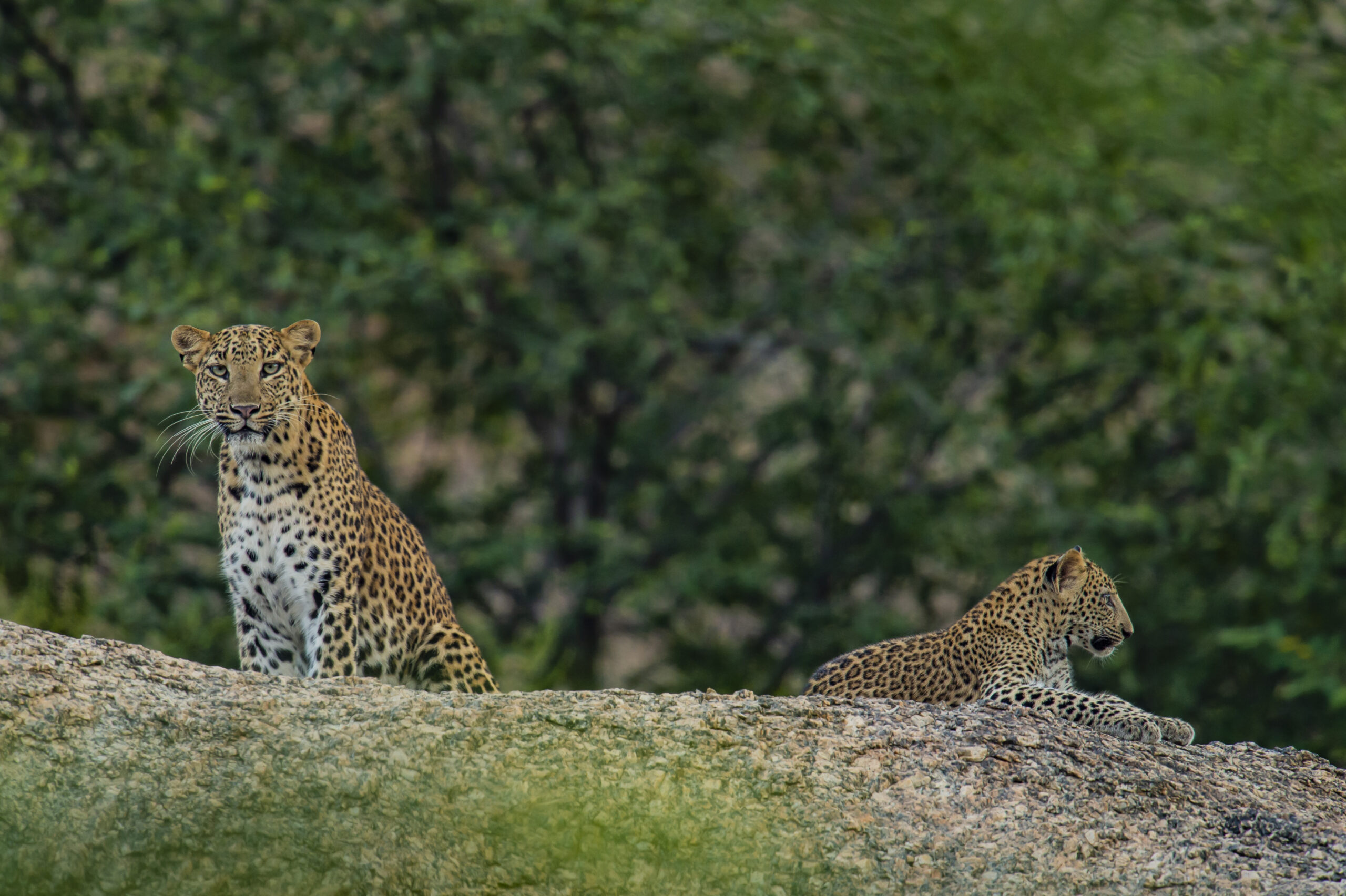
Nowhere is this negotiation more poetic than in Jawai. Here, ancient granite hills rise abruptly from the plains like weathered fortresses. Leopards shelter in these rocky folds, while pastoral communities graze livestock below. Loss does occur—livestock is occasionally taken—but retaliation is almost unheard of. In Jawai, coexistence is not a conservation strategy; it is inheritance.
Leopards are accepted as rightful inhabitants, woven into the land’s moral order. This restraint has produced something extraordinary: leopards that move calmly in daylight, tolerate nearby human presence, and maintain stable territories without persecution. Jawai does not romanticise harmony, it demonstrates trust built slowly, over generations.
At Safari Crafters, our journeys through Jawai are designed to reflect this truth. As the region grows in popularity, our approach remains rooted in restrain, bringing guests into the landscape without diluting its essence, allowing Jawai to be experienced in its most authentic, unhurried form.
Move east, and the story tightens around Jaipur, where wilderness recalibrates.
At the city’s edge, Jhalana Leopard Reserve holds ecological importance far beyond its size. An urban forest embedded within a living metropolis, Jhalana sustains leopards, prey species, birds, and other wild denizens while functioning as a vital green lung for the city.
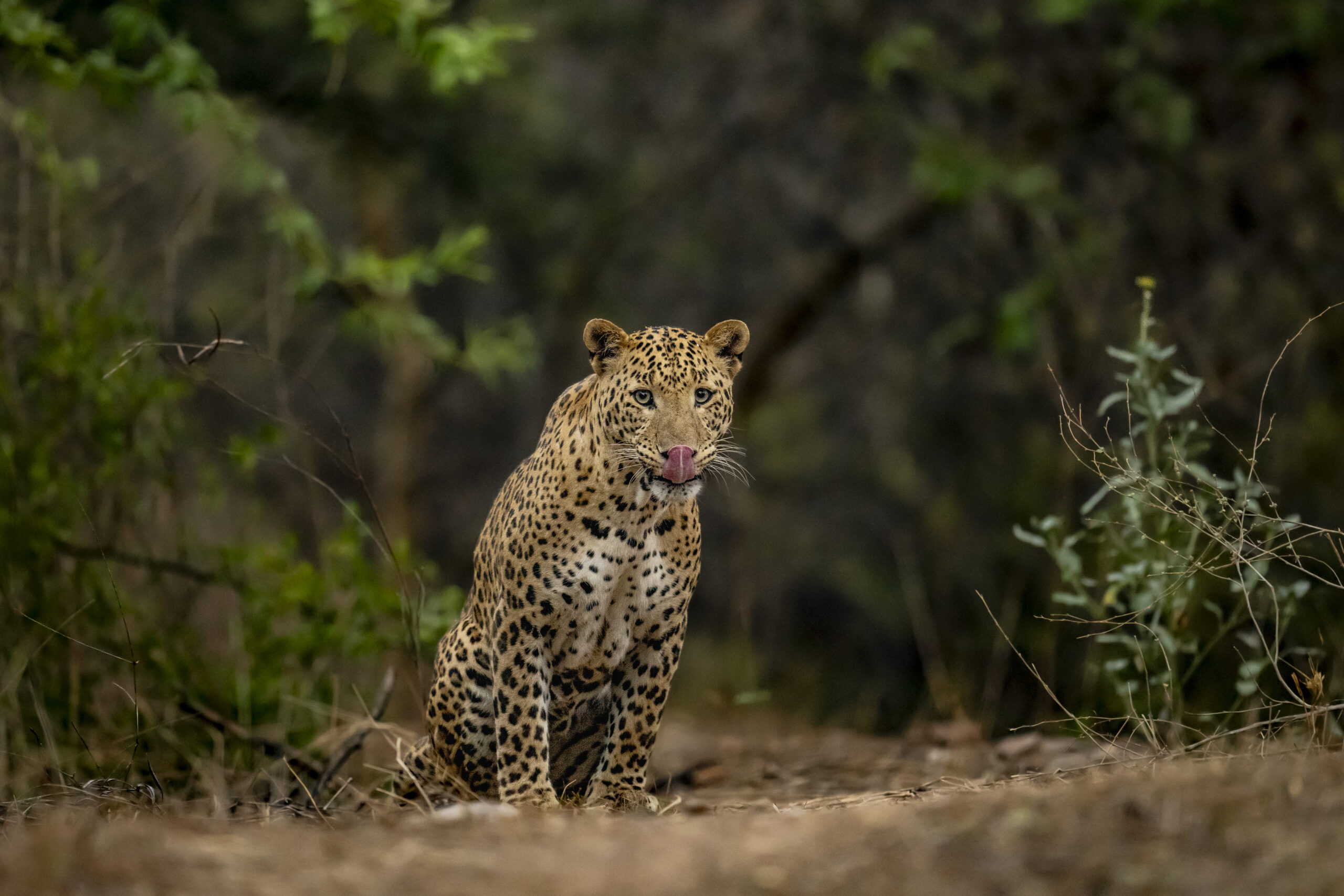
Jhalana’s significance lies not only in what it protects, but in what it proves: that fragmented habitats, when respected, can still function as resilient ecosystems. That conservation is no longer confined to distant jungles. And that coexistence, quiet, watchful, patien, is a viable future for wildlife in modern India.
Ecologically, leopards play a critical role as apex predators in landscapes where other large carnivores are absent. They regulate prey populations, maintaining balance in ecosystems under constant pressure. Their flexible diet, ranging from deer and wild pigs to primates and smaller mammals, allows them to persist where environments are perpetually changing. But this same flexibility often draws them closer to people.
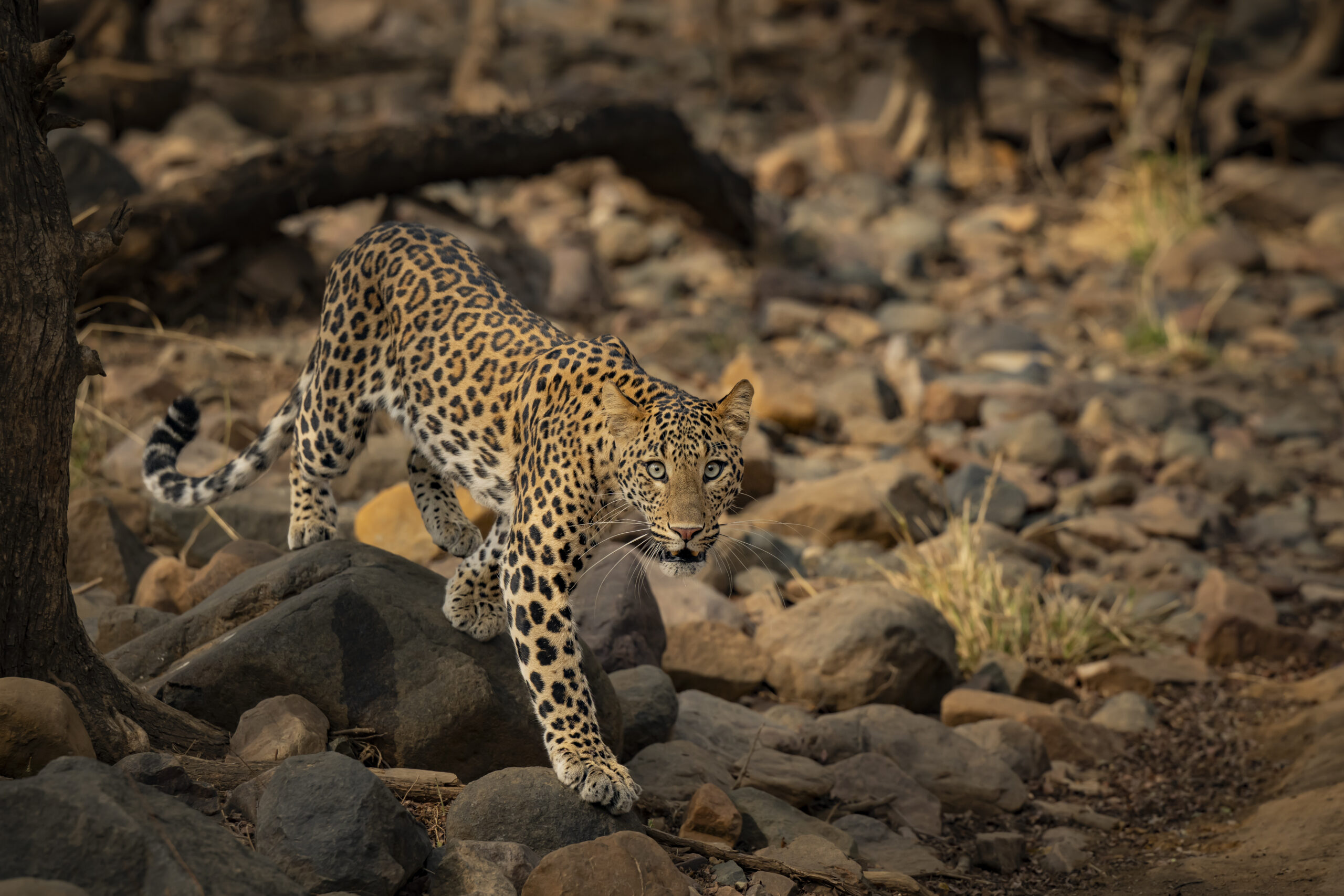
Fragmentation, linear infrastructure, mining, fencing, and declining prey continue to pose serious threats. Yet leopards endure by doing what they have always done best: adjusting without announcement. They use cover intelligently. They avoid confrontation. They choose patience over power.
To encounter a leopard in India is to witness survival refined to its purest form. As this Indian Big Cats series unfolds, from the tiger’s territorial authority to the snow leopard’s alpine solitude, the leopard stands apart. A silent sovereign of shared lands. Moving through forests, farms, ruins, and cities alike with intelligence, restraint, and grace. This is the wild as it truly exists in India today: layered, lived-in, and resilient.