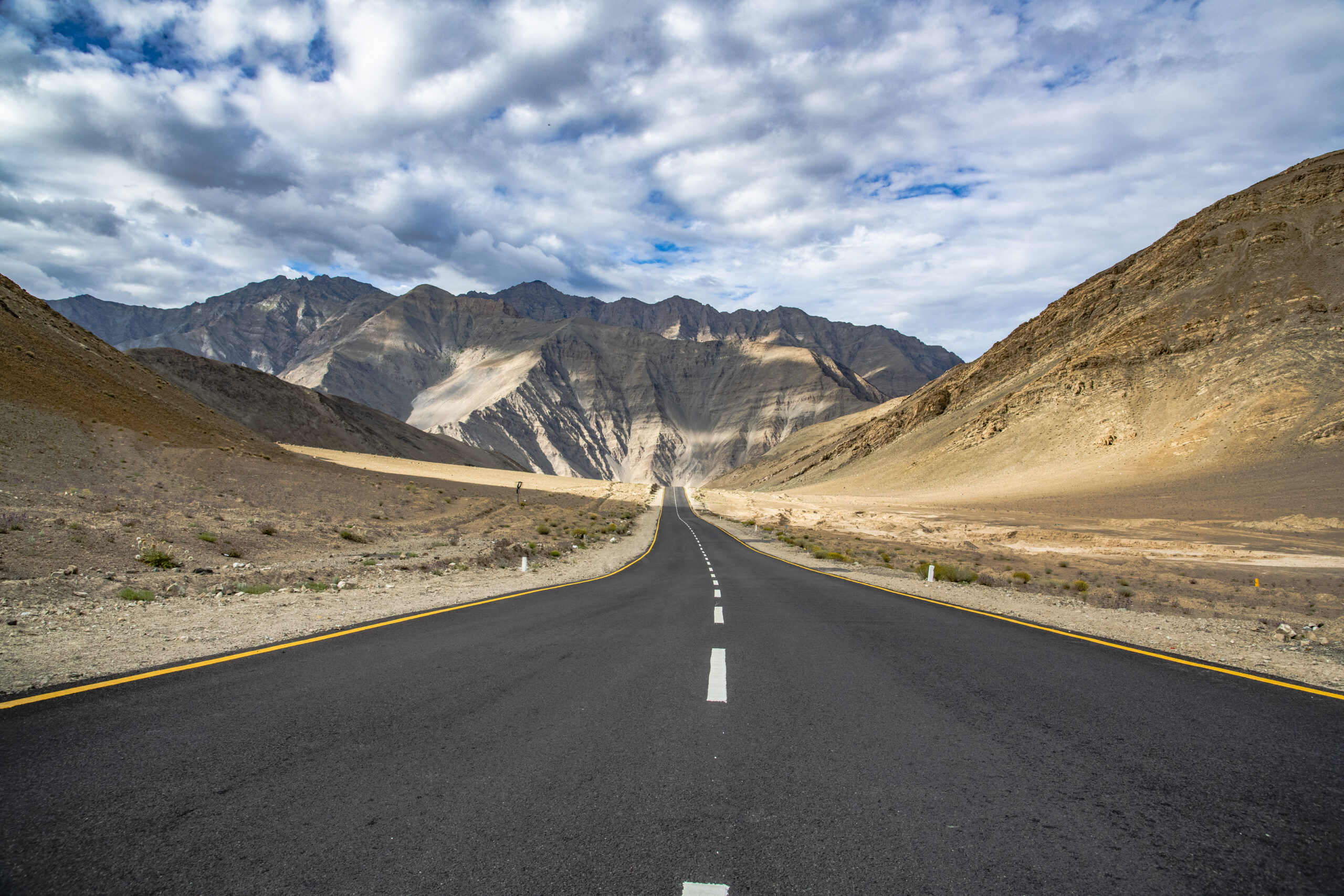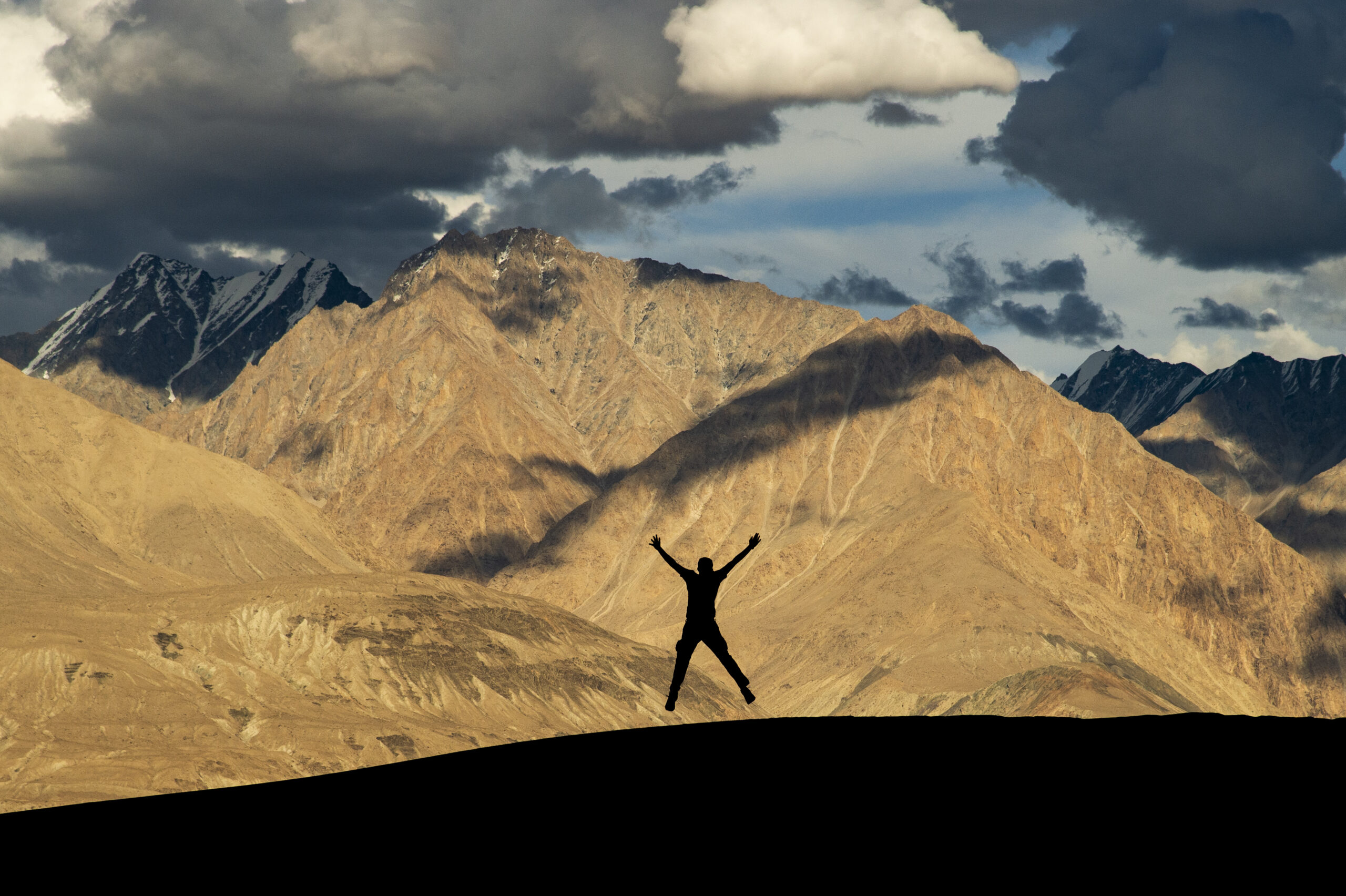
Ladakh is one of the planet’s most extreme inhabited landscapes, a high-altitude desert where survival is shaped by altitude, weather, and time itself. The journey begins in Leh, where gradual acclimatisation is essential, and where centuries-old Tibetan-Buddhist culture offers insight into how human life has adapted to thin air, long winters, and vast isolation.
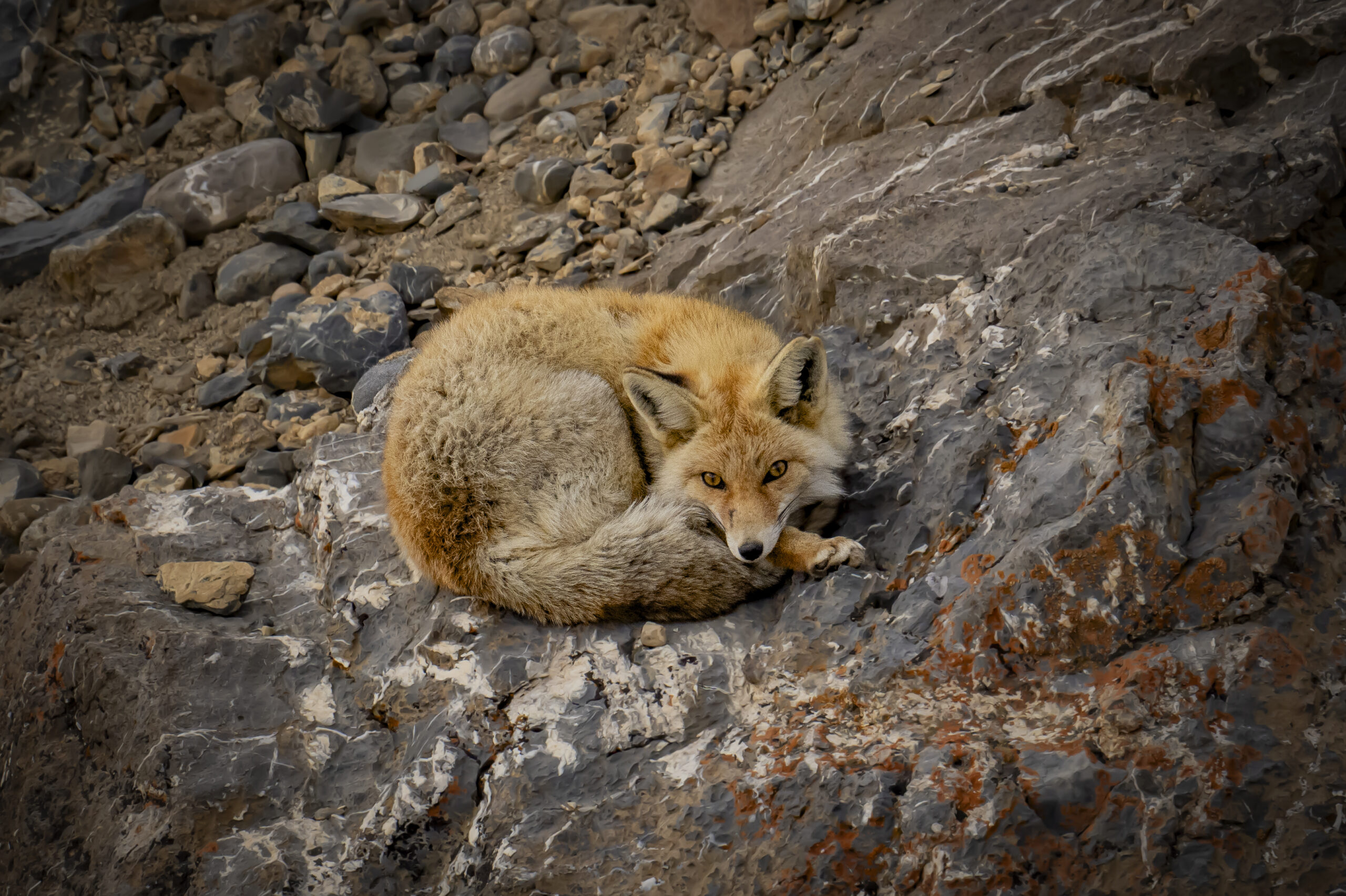
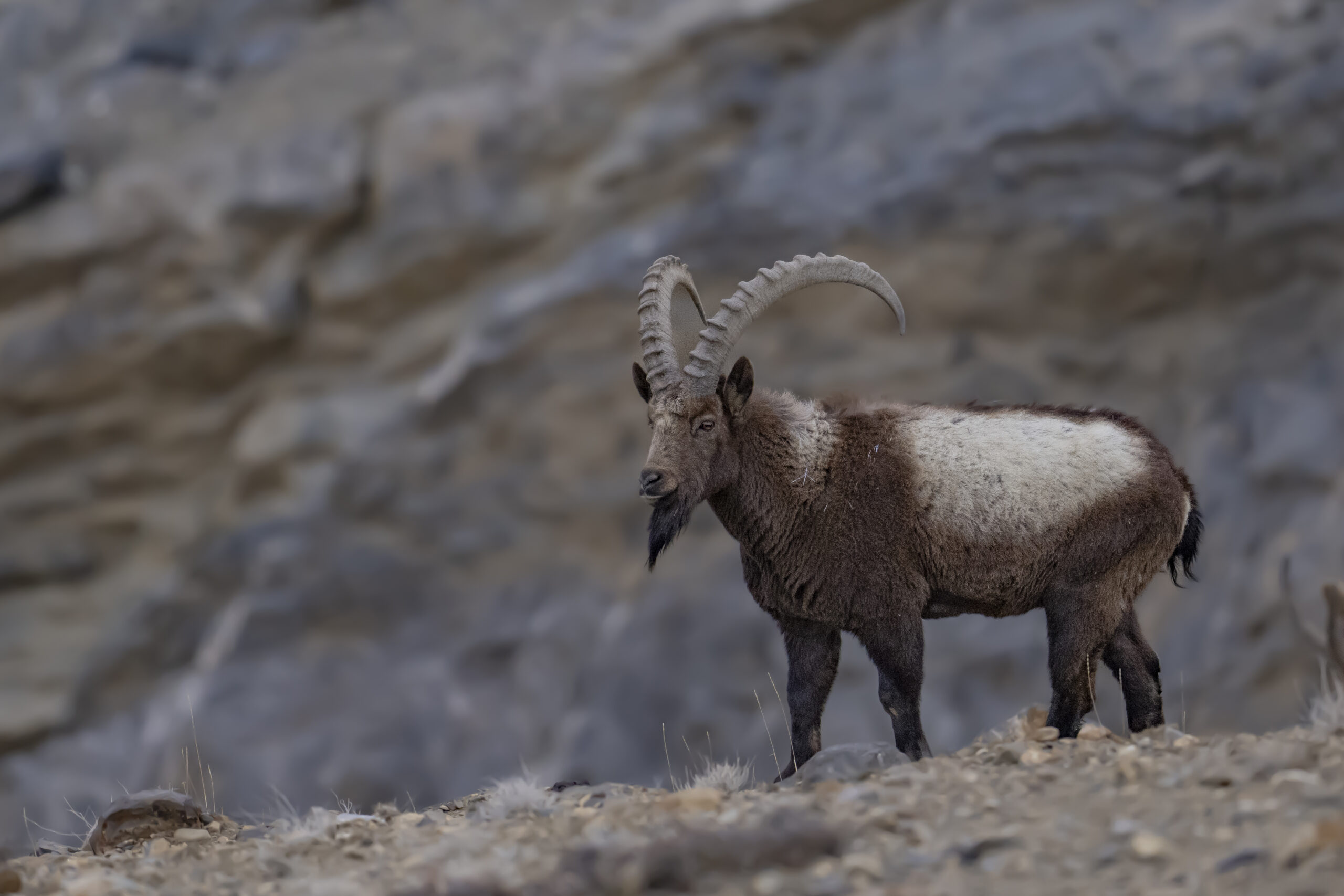
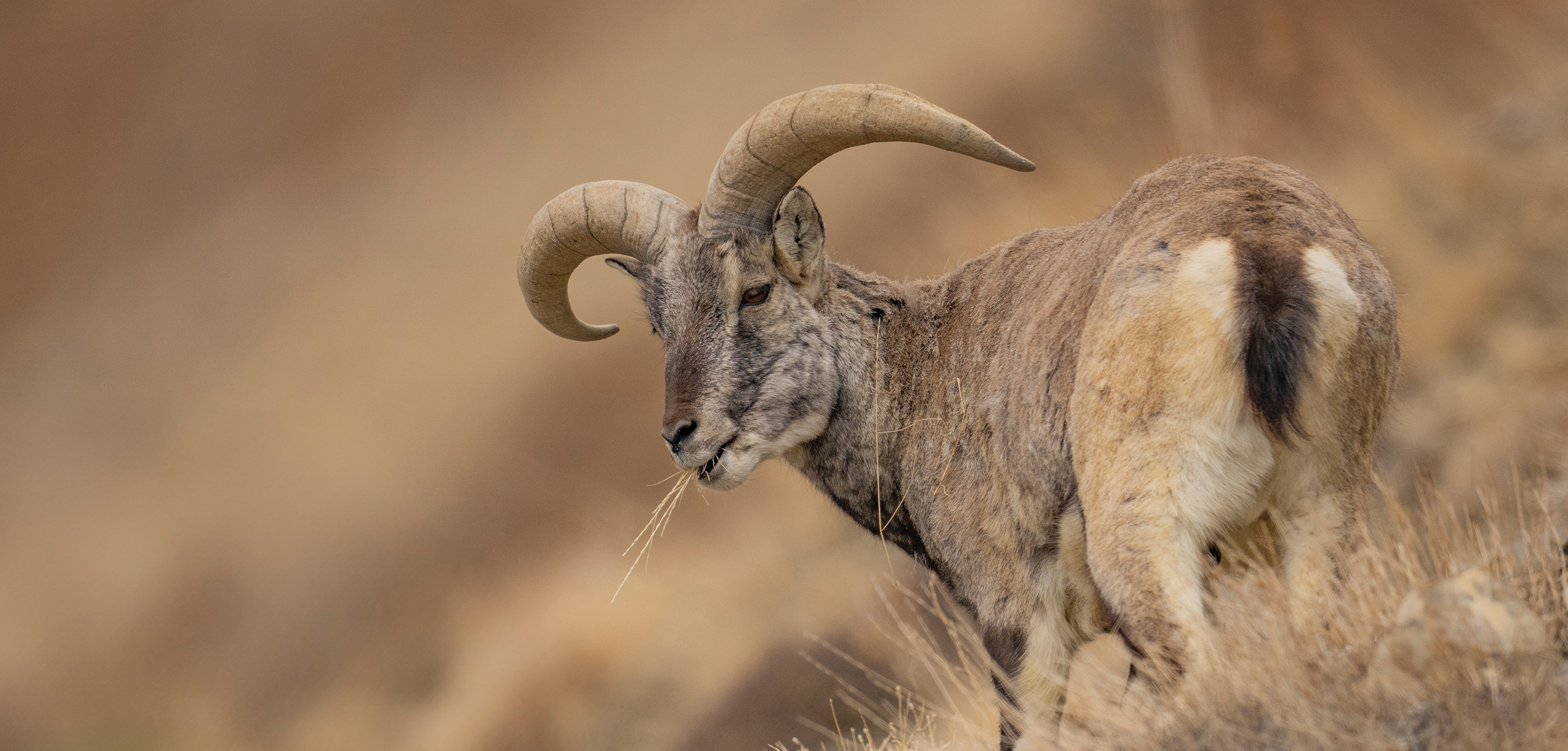
From Leh, the expedition moves into the immense expanse of Hemis National Park, the largest protected area in India and one of the most important snow leopard landscapes in the world. This rugged terrain of razor-edged ridges, deep valleys, and scree slopes supports a finely balanced alpine ecosystem, with blue sheep and Ibex forming the prey base that sustains the snow leopard. Wildlife encounters here are earned through patience, skilled tracking, and an intimate understanding of terrain and movement.
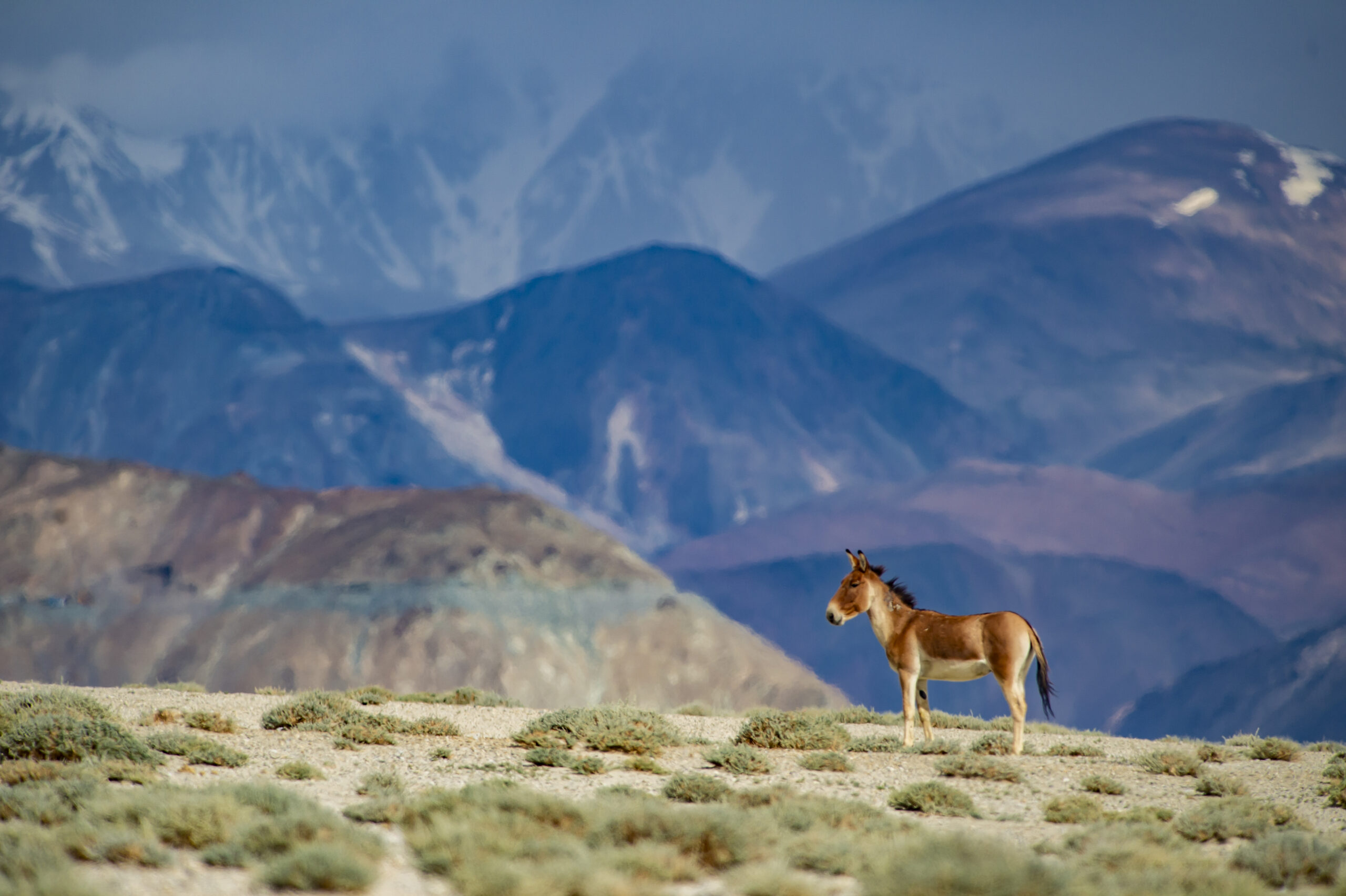
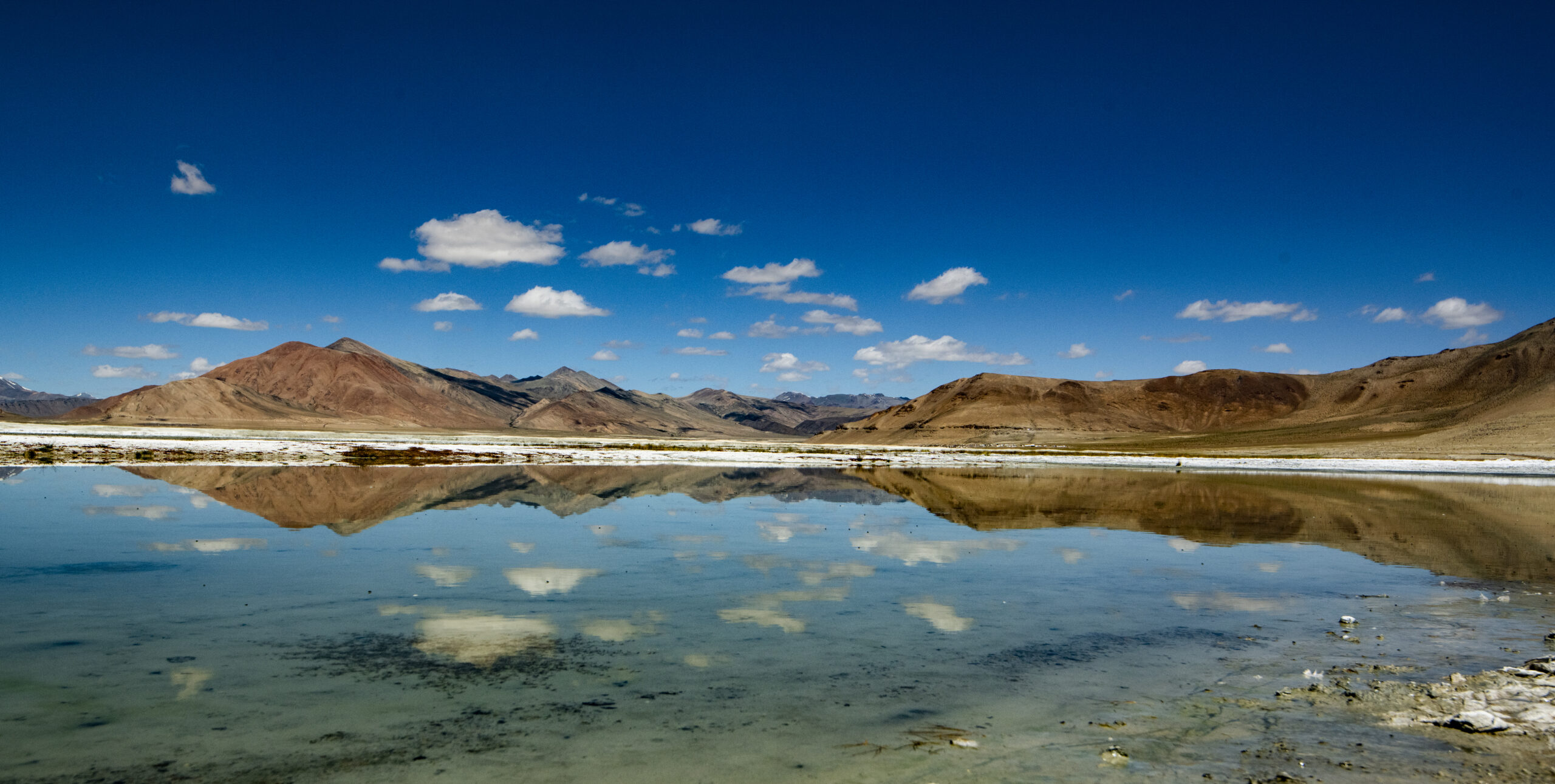
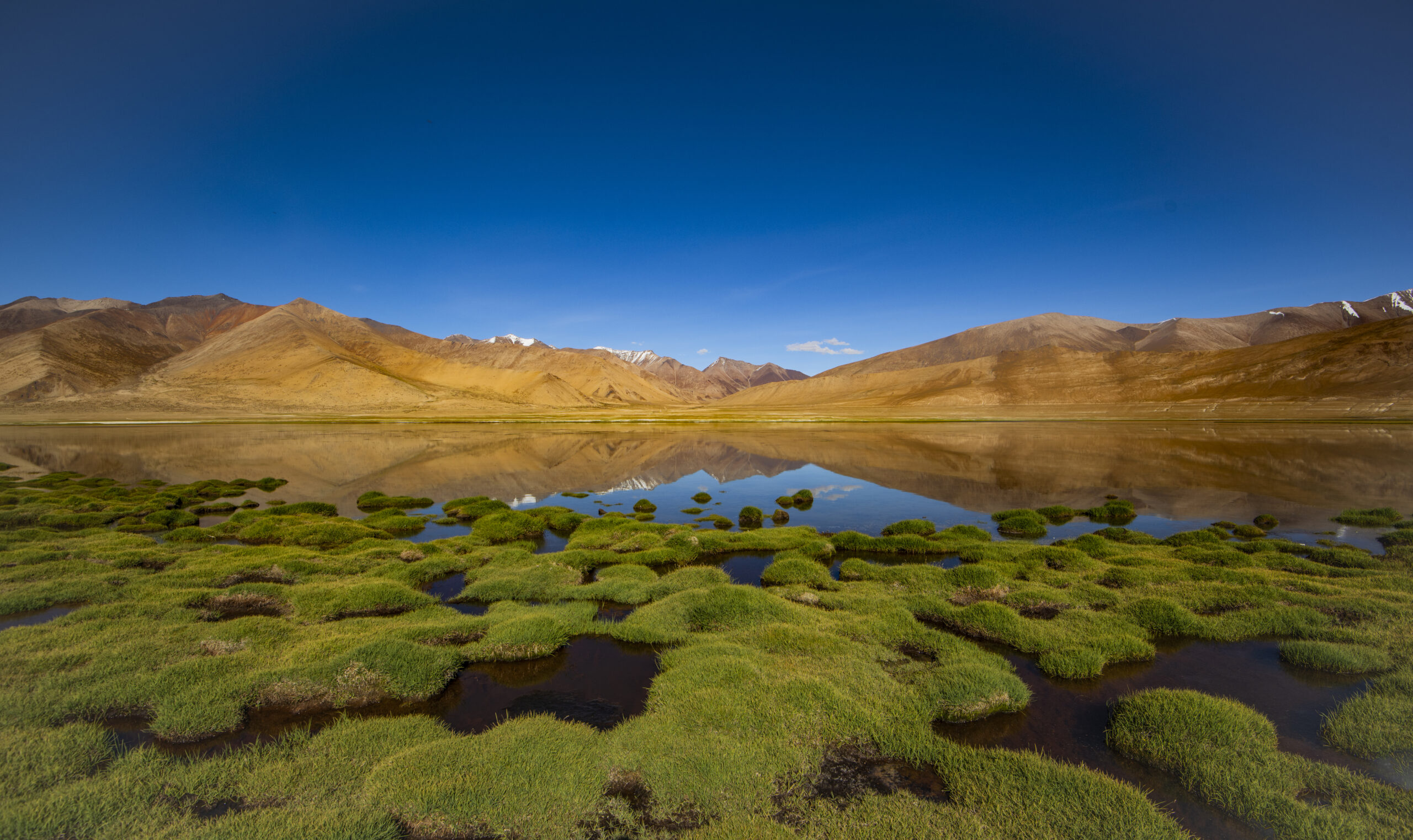
The journey then opens into the vast trans-Himalayan plateaus of Pangong Lake and Hanle, where altitude increases and the landscape broadens into sweeping valleys and high-altitude wetlands. These regions support specialised species such as the Pallas’ cat and migratory cranes, while remote monasteries and nomadic settlements reflect centuries of spiritual resilience. Together, these landscapes reveal Ladakh in its fullest form, stark, demanding, and profoundly alive, offering a rare understanding of one of the world’s most formidable wilderness regions.