February 20, 2026 / 4 Min Read
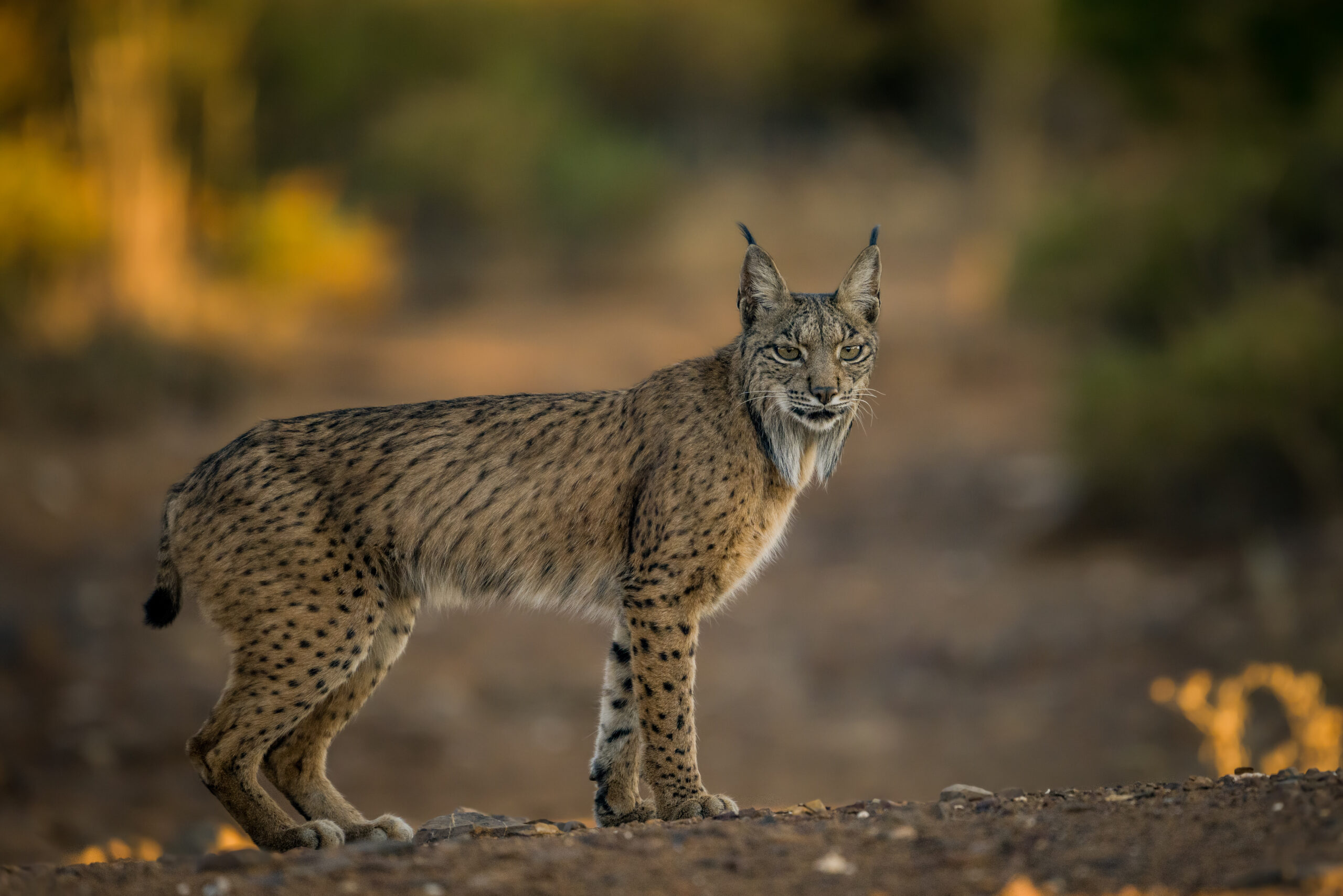
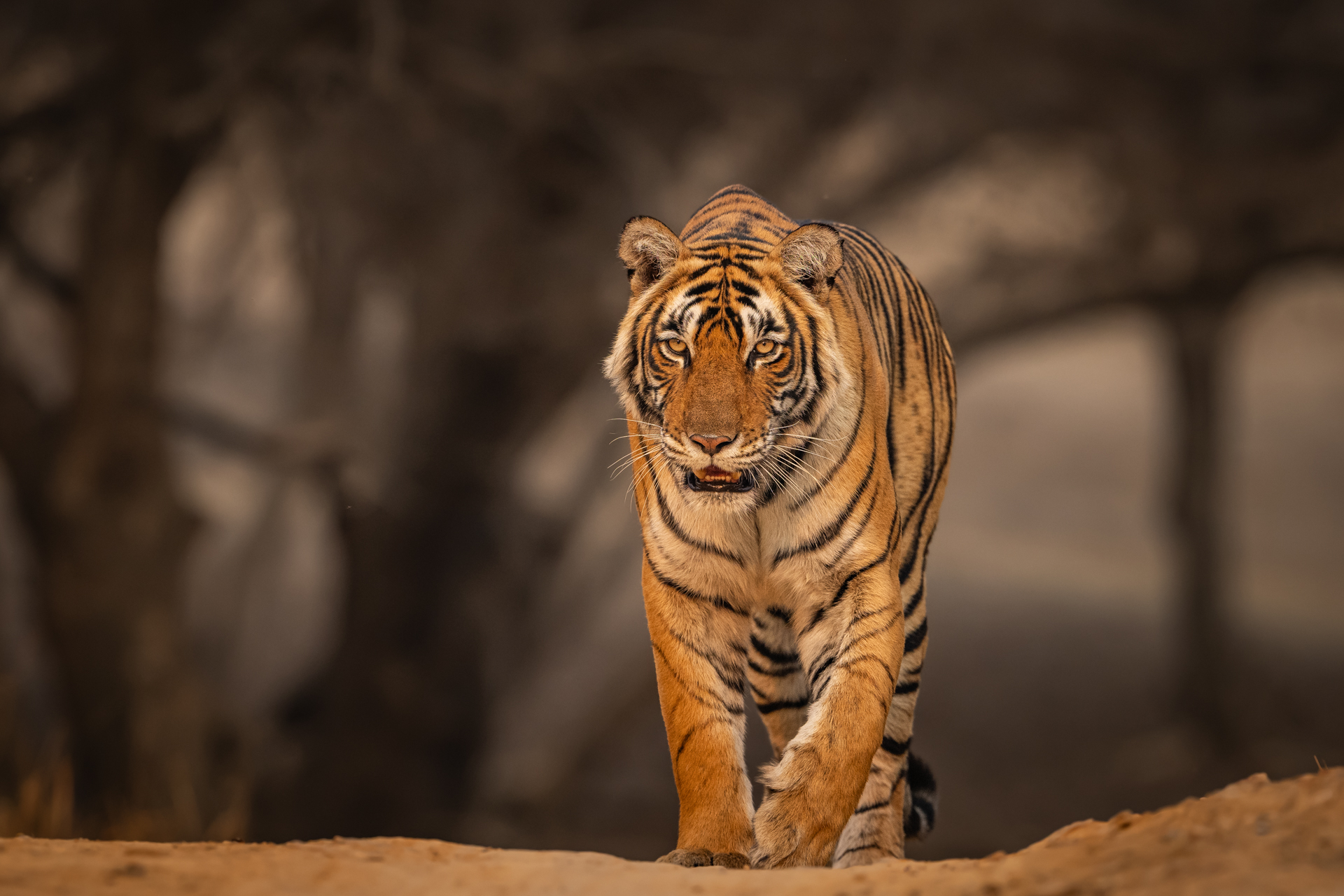
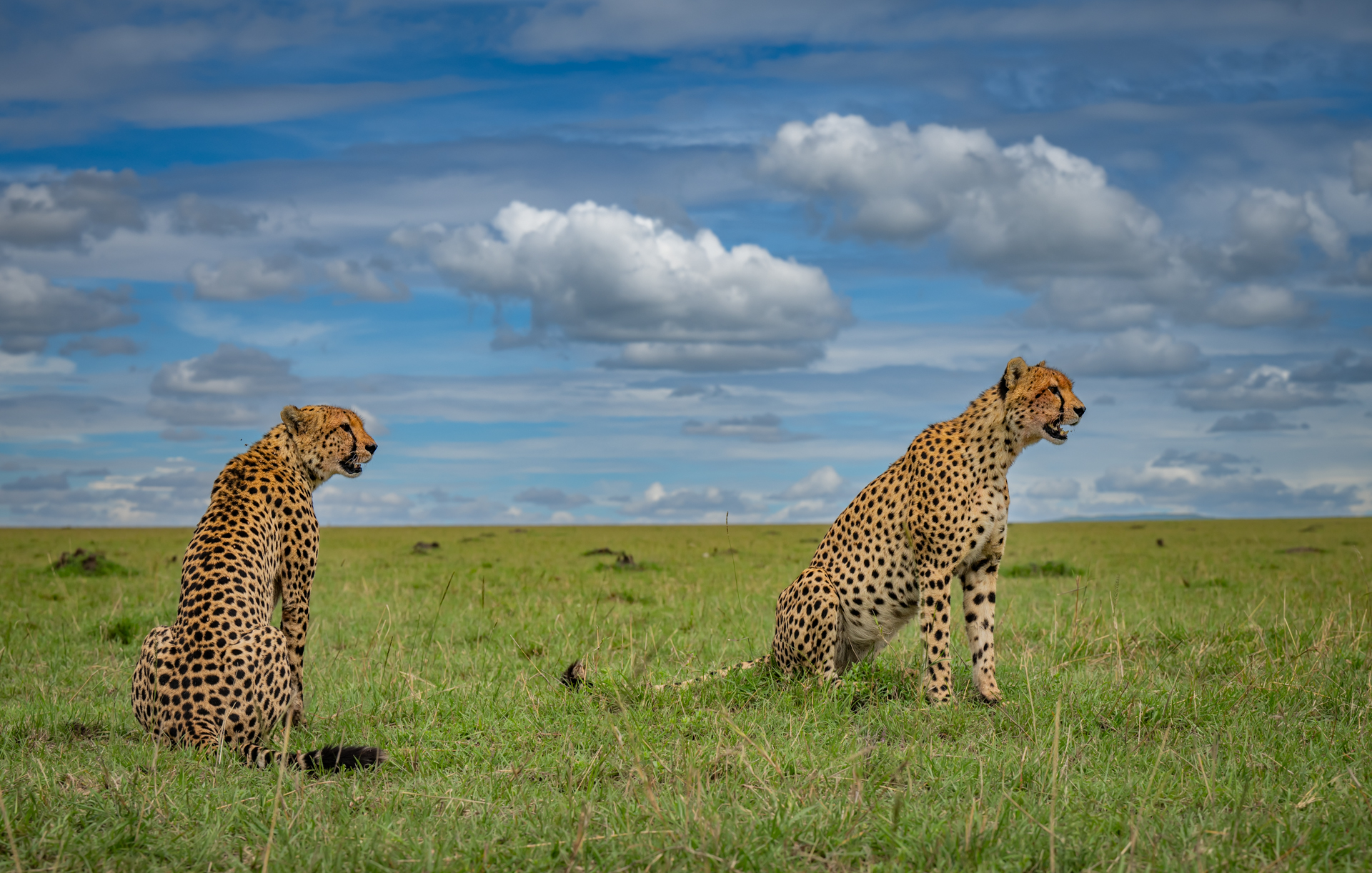
Low-angle wildlife photography is often spoken about as a stylistic choice, but in practice, it is a discipline. It asks more of the photographer physically, technically, and mentally. When done well, it places the viewer inside the animal’s world rather than looking down upon it. This is where images move from observational to immersive.
True low-angle photography begins with a simple but demanding principle: your body must follow the perspective. Sitting, kneeling, or even lying flat on the ground fundamentally changes how you see and frame. Your instincts shift, you stop composing from above and start composing with the subject. An added advantage is stability: a grounded body position naturally reduces shake.
Use whatever support is available, beanbags, ground pods, window frames, or even door edges. Handheld low-angle shots have a tendency to creep upward without you noticing, subtly breaking the illusion of eye-level intimacy. Being physically low helps you stay honest to the perspective.
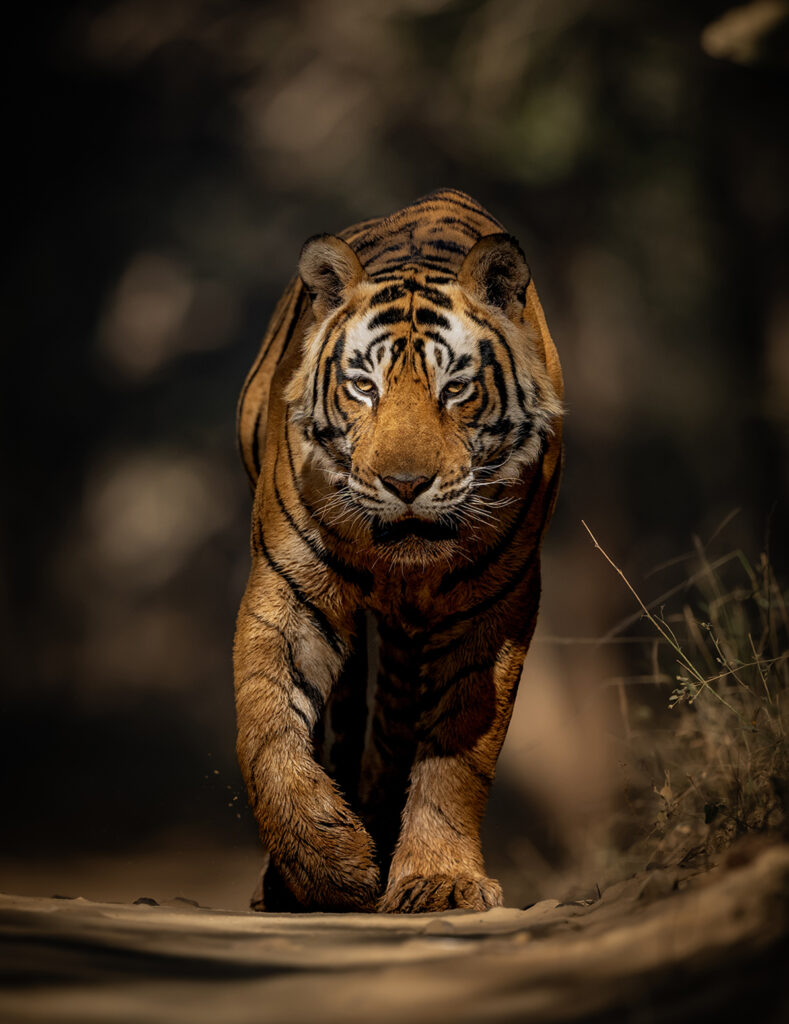
On private safaris or specialist photography tours, the middle seat of the gypsy can often be removed in India. In parts of Africa, vehicles are purpose-built or modified specifically for this reason, allowing photographers to shoot from door level or even ground height without obstruction. This small structural change makes an enormous difference to the final image.
At low angles, focus becomes unforgiving. Depth of field compresses dramatically, especially when working with longer lenses.
The near eye must be critically sharp. If the eye closest to the camera is soft, the image fails, no matter how strong the composition or light.
How to maintain focus discipline:
Telephoto lenses (300–600mm) are generally the most forgiving for low angles. They allow you to stay at a respectful distance while maintaining compression and perspective. Wide lenses, while dramatic, demand proximity and near-perfect framing—best used sparingly and with intent.
When the background allows, stop down slightly to f/6.3–f/8. The extra depth of field often saves essential detail on the subject.
Shooting Low Angles from a Vehicle
Safari jeeps naturally introduce height, but that doesn’t mean low angles are impossible.
Lower the lens to window or door level, resting it securely on a beanbag. Always shoot through openings rather than over railings or door frames. Aligning the lens with the vehicle’s lowest visual line,step rails or door edges, helps eliminate the sense of elevation.
Instead of asking the driver to reposition the vehicle entirely, request micro-adjustments. Even a few inches forward or back can transform the perspective. The aim is simple: remove the feeling that you are above the subject, even if the vehicle technically remains higher.
This is where expert-led photography tours quietly excel. Experienced guides understand sightlines, animal behaviour, and vehicle positioning intuitively, often making subtle adjustments before you even ask, allowing you to concentrate fully on timing, focus, and expression.
Low-angle wildlife photography is not just about visual drama. It is an act of intentional humility. You lower your body, refine your technique, and surrender control to the subject’s world.
When supported by thoughtful logistics, well-designed vehicles, patient drivers, and knowledgeable photography leaders, this discipline becomes accessible without compromise. And when everything aligns, the resulting image does more than impress. It connects.